
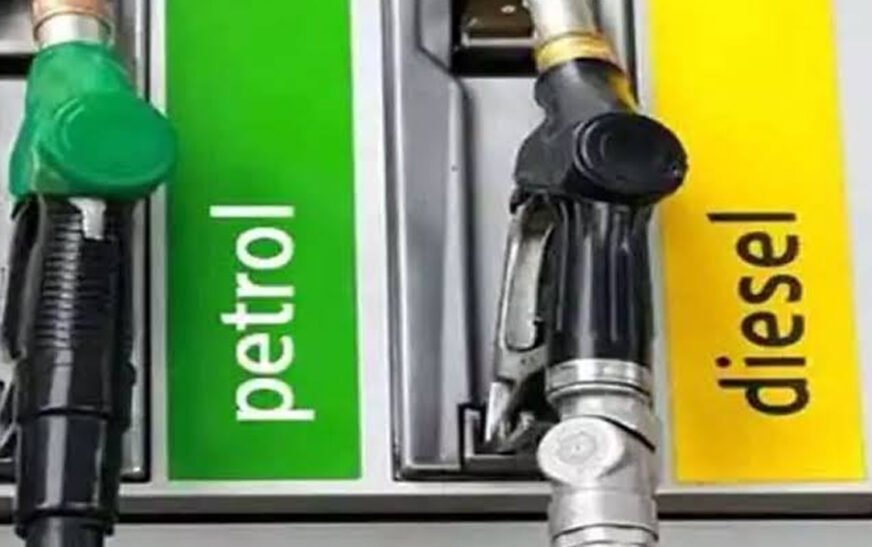
ISLAMABAD: Petrol and high-speed diesel prices in Pakistan have increased sharply over the past month, putting additional pressure on consumers, transporters and prices of essential commodities.
According to available data, petrol was priced at Rs 325.43 per litre on August 14, while high-speed diesel (HSD) stood at Rs 383.95 per litre. Compared with the latest rates, petrol has become considerably more expensive over the past month, while diesel prices have also recorded a substantial increase.
The new price increment comes after the increase that was announced by the federal government. The price of petrol was hiked by Rs 4.10 per litre, bringing its price up to Rs 384.34 per litre, whereas the HSD rate has been brought up to Rs 415.83 per litre after being hiked by Rs 6.41.
These new prices will take effect from Wednesday.
It is only a day before the above price increment announcement when the government announced price hike of petrol by Rs 4.42 per litre to Rs 380.24, whereas the HSD was hiked by Rs 6.10 to Rs 409.42 per litre.
Officials said petroleum prices are determined by taking international crude oil prices and average prices over the preceding seven days into account. The Oil and Gas Regulatory Authority (OGRA) reviews and issues petrol and HSD rates, allowing changes in international oil prices to be reflected in domestic prices.
The continued rise in petroleum prices has also increased pressure on transport costs and prices of essential goods. Goods transporters had recently announced higher freight charges, citing rising diesel prices.
Meanwhile, Prime Minister Shehbaz Sharif has announced a special fuel relief scheme providing a Rs100-per-litre subsidy on petrol for motorcycle riders, rickshaw and Qingqi users, and owners of vehicles with engines up to 800cc.
According to the government, the scheme is aimed at reducing the impact of rising petrol prices on low-income consumers. Registration and other arrangements for implementing the scheme across the country are currently under way.
The government has adopted a daily review mechanism for petroleum prices, under which fluctuations in international oil markets are passed on to domestic consumers.