
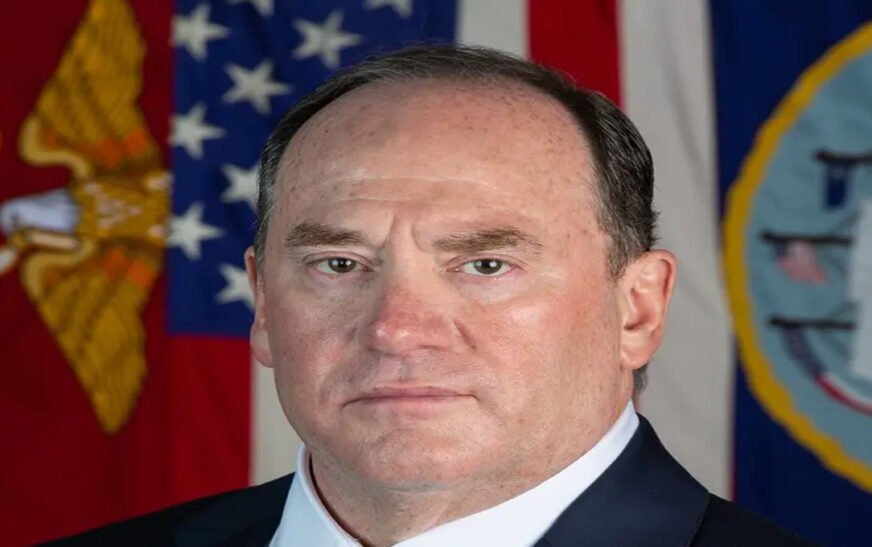
WASHINGTON: US Secretary of the Navy, John C. Fallon, has unexpectedly resigned from his post, though the reason for his departure has not been disclosed. Fallon, who was appointed by President Trump in November 2024, had faced criticism upon his nomination due to his lack of direct experience in the Navy, military, national security policy, or the defense industry.
Despite doubts about his qualifications, Fallon received confirmation to become the Secretary of the Navy through a 62-30 vote in the Senate, held in March 2025. At such a sensitive time for the country and its military, it remains unclear why he left the office.
Until another person takes office, Hong Kao, who works as Under Secretary of the Navy, will temporarily act as the new Secretary of the Navy.
This resignation came in light of numerous other resignations of the top military people in the U.S., including the recently dismissed Army Chief of Staff General Rand George during the Iran conflict.
The Secretary of the Navy is responsible for overseeing the administration, financial management, and policy of the U.S. Navy, making this resignation a significant development in the ongoing defense operations.
This move also follows the resignation of U.S. Secretary of Defense Pete Hegseth, who earlier forced General Rand George to resign amid the escalating conflict with Iran.
Pentagon: Removing mines from Strait of Hormuz could take up to 6 months
Earlier, the Pentagon has informed US Congress that it may take up to six months to remove the mines laid by Iran in the strategic Strait of Hormuz. The disclosure, made by a senior US defense official during a closed-door briefing with members of the House Armed Services Committee, has raised concerns about the prolonged economic and political effects of the ongoing tensions in the region.
As per The Washington Post, it seems that the mission to de-mine the area will be initiated only when the current fight between Iran and the US ends and it might mean that the economic consequences of the situation will extend to the second half of the year or later.
It has been found out from the briefings that some of the mines used advanced GPS technology, which makes their discovery and disposal very difficult for American troops. Some other mines have apparently been laid down through small boats by the Iranians.
This development has sounded many alarm bells, especially among American legislators who have expressed their discontent with this update. With the continued uncertainties about the developments, political implications may become serious with America preparing for its mid-term elections slated for November. Recent polls indicate that the public approval of President Donald Trump’s decision to increase tension with Iran has dropped sharply, resulting in divisions within the ranks of Trump’s political supporters.
The demining operation, which could take several months, would delay any resolution of the conflict in the strategic Strait of Hormuz. The United States military continues to operate in the Gulf region, keeping an eye on the developments while now there are indications that the process may be prolonged before normality can be restored.