
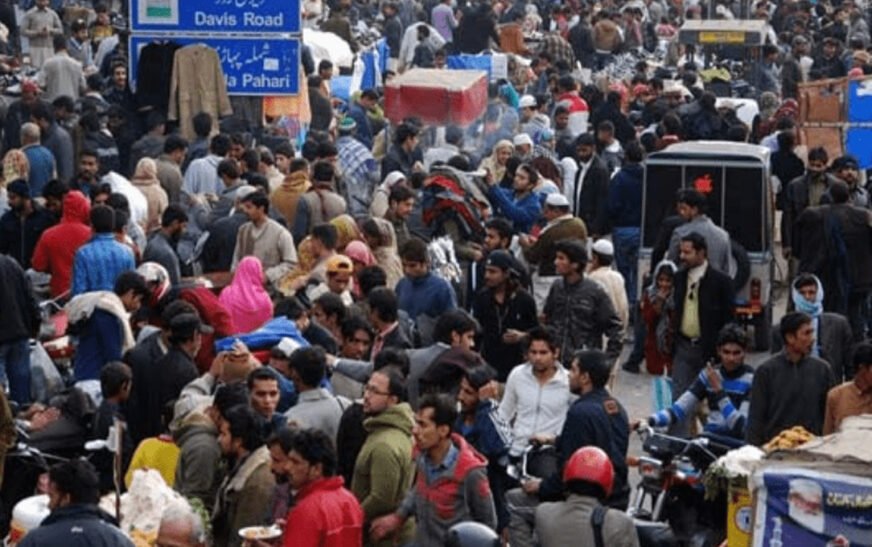
PESHAWAR: Experts have warned that Khyber Pakhtunkhwa’s rapidly growing population, rising youth unemployment and limited public resources pose significant challenges to the province’s long-term social and economic development, calling for population, reproductive health and family planning to be integrated into development planning and policymaking.
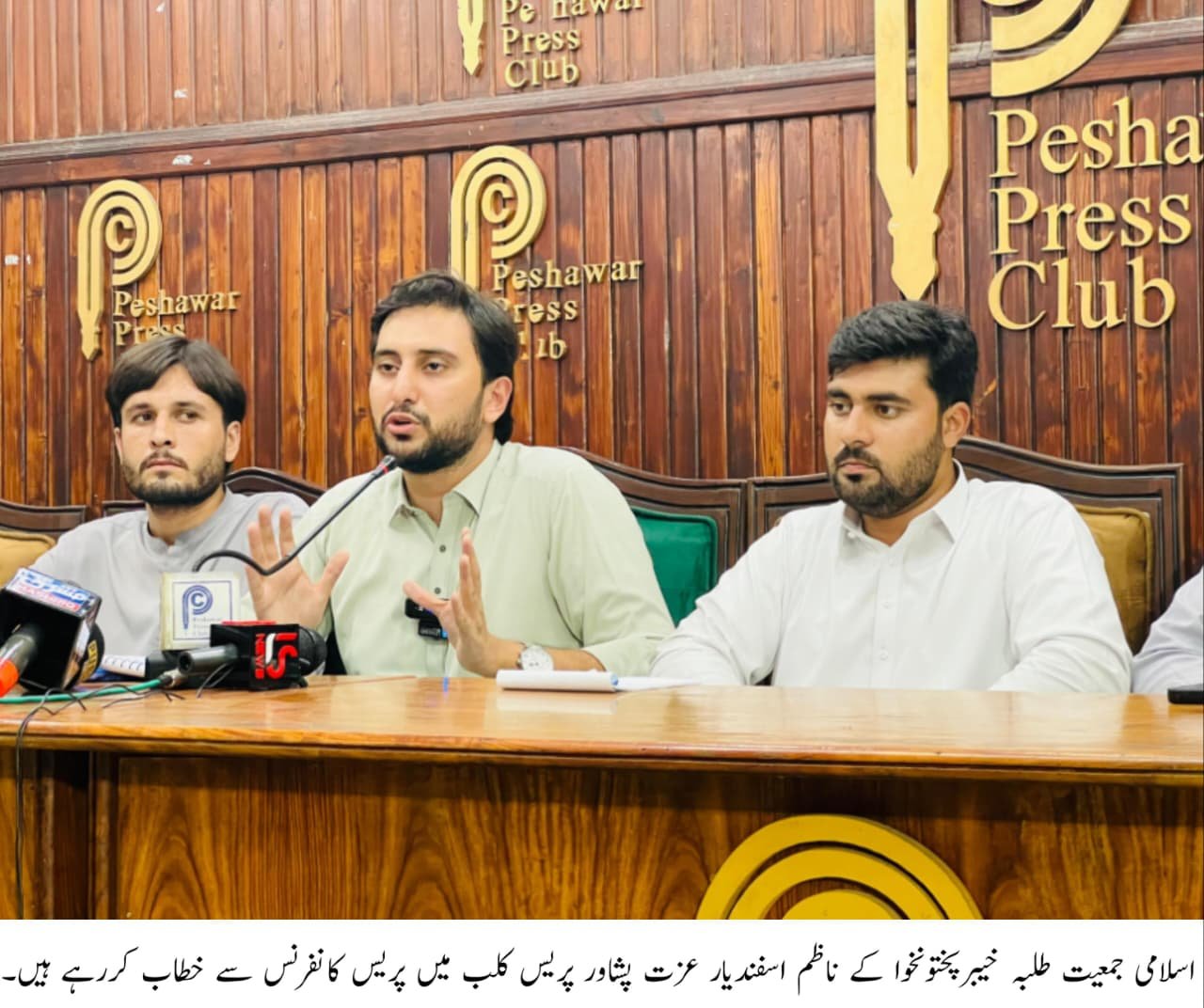
The concerns were raised during a meeting of the Khyber Pakhtunkhwa Media Coalition on Reproductive Health and Family Planning in Peshawar, organised by the United Nations Population Fund (UNFPA) and the Sustainable Development Policy Institute (SDPI) with support from the Government of the Netherlands.
SDPI Deputy Executive Director Dr Sajid Amin Javed said the coalition aims to strengthen evidence-based reporting by providing journalists with reliable data from the national census, the Pakistan Social and Living Standards Measurement (PSLM) survey and other official sources.
Citing the 2023 population census, he said Khyber Pakhtunkhwa’s population stood at approximately 41 million and has now surpassed 42 million, with an annual growth rate of 2.38 per cent.
Dr Javed noted that 32.7pc of the province’s population comprises young people, while 33pc of them are neither in education, employment nor training (NEET).
He added that the provincial unemployment rate stands at 9.6pc, higher than the national average of 6.7pc, while poverty increased by nearly 6pc between 2018-19 and 2024-25.
He also highlighted key health challenges, saying the contraceptive prevalence rate in the province is 36pc, while the maternal mortality ratio remains 165 deaths per 100,000 live births, far above the Sustainable Development Goals (SDGs) target of 70.
He added that Kohistan district has an annual population growth rate of 9.1pc, nearly three times the provincial average.
On development spending, Dr Javed said the province’s Rs547 billion Annual Development Programme (ADP) has been reduced by 22pc compared to the previous year. Although Rs206bn has been allocated to the health sector, rising population levels are reducing per capita spending. An additional Rs19bn has been earmarked for development projects in the merged districts.
SDPI Deputy Executive Director Dr Shafqat Munir said population growth is closely linked to climate change, resource constraints and economic development, stressing that the media has a critical role in promoting sustained, fact-based reporting on these issues.
The meeting concluded with participants being divided into four thematic groups focusing on youth, population, family planning and child marriage.
The groups proposed topics for future data-driven investigative reporting and agreed that highlighting district-level trends would help support more effective policymaking.
Read also: ANP’s Nisar Baz Slams Cut in KP Development Budget