
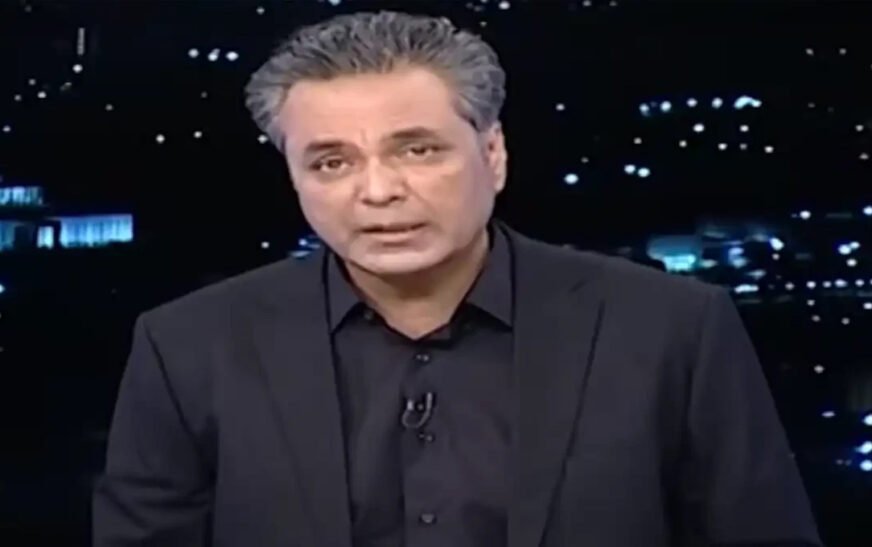
ISLAMABAD: Senior journalist Syed Talat Hussain has outlined what he described as 14 major diplomatic and backchannel initiatives undertaken by Pakistan during efforts to reduce tensions between Iran and the United States.
While sharing his views on X account, he said that Pakistan was among the first countries to call for dialogue following the initial phase of hostilities against Iran, while also maintaining a balanced position by condemning the use of force without aligning with any side.
Pakistan’s 14 high points
1: Among the first countries to call for peace talks when the first phase of the attacks on Iran started.
2: Condemned use of force without picking sides in a delicate balancing act on a tight diplomatic rope.— Syed Talat Hussain (@TalatHussain12) June 18, 2026
He noted that Pakistan engaged in discreet diplomacy with both Washington and Tehran at a time when few actors were willing to intervene, and encouraged both sides to open communication channels for peace discussions.
Talat Hussain further stated that Pakistan consistently raised concerns over regional escalation, including criticism of actions perceived as undermining diplomatic efforts and worsening humanitarian conditions in conflict zones.
He highlighted that Pakistan managed multiple regional security challenges simultaneously while continuing diplomatic engagement, and reportedly provided alternative diplomatic “off-ramps” to both sides when tensions escalated.
He also referred to behind-the-scenes efforts involving senior Pakistani leadership, including military and diplomatic outreach, aimed at sustaining dialogue momentum and preventing breakdowns in negotiations.
Other points included assisting in drafting mutually acceptable statements and narrative frameworks, maintaining confidentiality in a highly sensitive information environment, and avoiding public politicisation of the process.
According to the summary, Pakistan maintained a low-profile approach while facilitating mediation efforts, worked to reconcile competing regional interests, and helped manage communication between key stakeholders during periods of heightened diplomatic strain.
He further noted that Pakistan played a role in easing tensions at critical moments and encouraged flexibility in negotiations, prioritising agreement over procedural rigidity.