
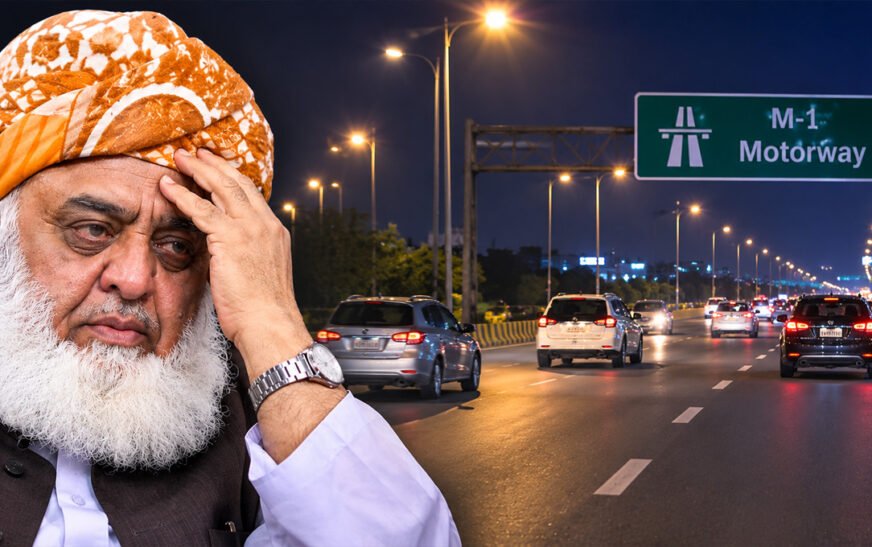
PESHAWAR: Jamiat Ulema-e-Islam-Fazl (JUI-F) chief Maulana Fazlur Rehman’s call for protests across Khyber Pakhtunkhwa failed to attract significant public support, with demonstrations witnessing low attendance and major highways and motorways reopening after dozens of party workers reportedly offered voluntary arrests.
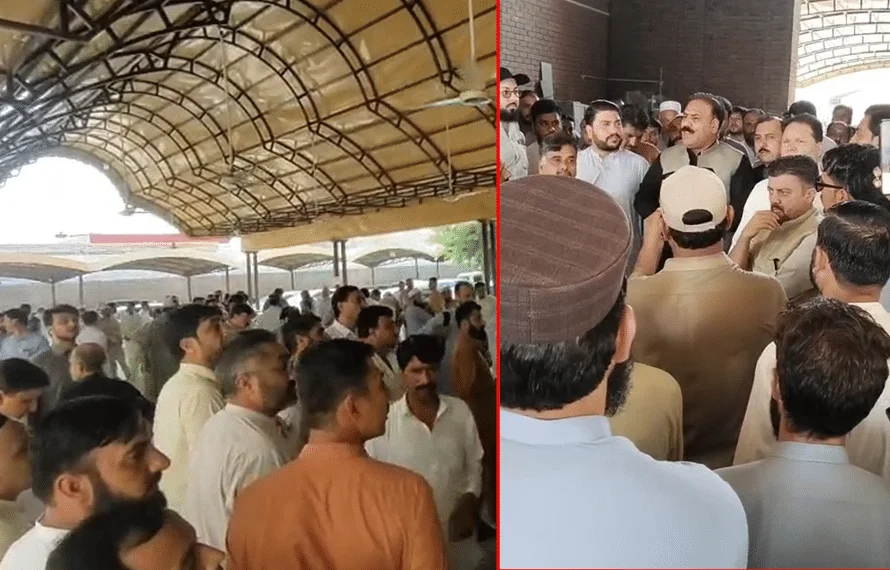
According to reports, protests organised in Karak, Malakand and Swabi attracted far fewer participants than expected, while ordinary citizens largely stayed away from the demonstrations.
In Malakand, a JUI-F protest at the Aladand Dheri Interchange failed to create any significant disruption. Dozens of party workers reportedly presented themselves for arrest voluntarily. Following their arrests and the dispersal of protesters, the Swat Motorway was reopened to all traffic.
Similarly, the party’s protest campaign in Swabi faced limited participation. At the Anbar Interchange, local party leadership announced an end to the demonstration after witnessing a low turnout.
Consequently, traffic continued normally on the M-1 Motorway, Anbar Toll Plaza and Grand Trunk (GT) Road, with no major disruptions reported.
Major Motorways Reopened Across KP
Traffic authorities confirmed that the Swat Motorway, Hazara Motorway and M-1 Motorway are fully open to all types of vehicles, including light and heavy transport.
Commuters and transport operators can use these routes without facing any reported restrictions.
Temporary Road Closure in Karak Causes Traffic Problems
Meanwhile, the situation in Karak remained relatively different, where a small number of JUI-F workers temporarily blocked the Indus Highway.
The closure caused inconvenience to passengers and drivers of heavy vehicles before traffic conditions returned towards normal.
Weak Turnout Raises Questions Over Protest Campaign
Political observers say the limited participation in the three districts, voluntary arrests of party workers and subsequent reopening of major motorways have undermined efforts to build a large-scale protest movement.
The strategy of blocking major roads to press political demands also appeared to have failed to attract wider public support, while commuters and ordinary citizens largely remained focused on their daily activities.