

Mango or watermelon, which fruit increases blood sugar levels faster?
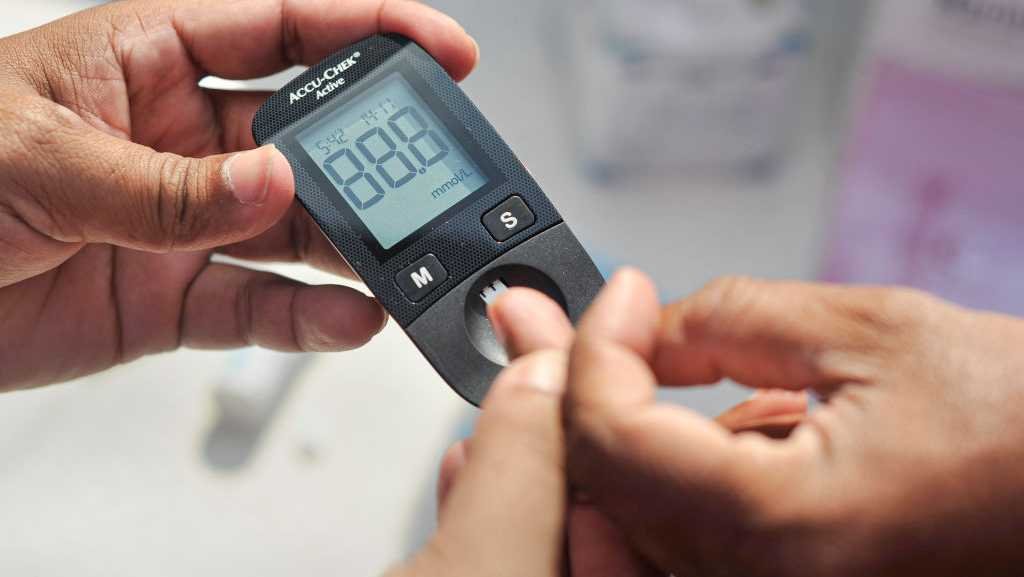
Mango and watermelon are commonly consumed in summer, but medical experts say that the effects of these two fruits on blood sugar are different, especially for diabetic or prediabetic patients.
A blood sugar spike refers to a sudden increase in blood glucose levels that occurs due to the consumption of foods high in sugar or carbohydrates.
Effect of Mango
The glycemic index of mango is moderate, meaning it increases blood sugar relatively slowly, but due to its high sweetness and carbohydrates, eating large amounts can increase sugar. Raw or underripe mangoes increase sugar more slowly. If mangoes are eaten with yogurt, dried fruits or protein, the effect of sugar is reduced.
Effect of Watermelon
Watermelon has a high glycemic index, meaning it can increase blood sugar quickly, but it is high in water and low in carbohydrates, so consumption in limited quantities is considered relatively safe.
Glycemic Index and Glycemic Load
The glycemic index shows the immediate effect of food, while the glycemic load shows the overall effect. According to experts, both must be taken into account with limited consumption.
Which fruit is better?
If the speed is observed, mango increases blood sugar levels slowly, while watermelon shows a rapid effect, but watermelon may be better in terms of overall sugar load. According to health expert Luc Coutinho, one small mango or half a large mango per day is appropriate, but avoid eating too much.
Diabetics should keep the amount of fruit low, eat fruit with protein or fiber, avoid juice, avoid eating fruit on an empty stomach and do not eat fruit late at night. People with diabetes, insulin resistance or blood sugar control need special caution.
Experts say that no fruit is completely harmful, the main thing is the amount, time and method of consumption.
Read also:Pakistan exports $40 million worth of citrus fruits in 45 days