

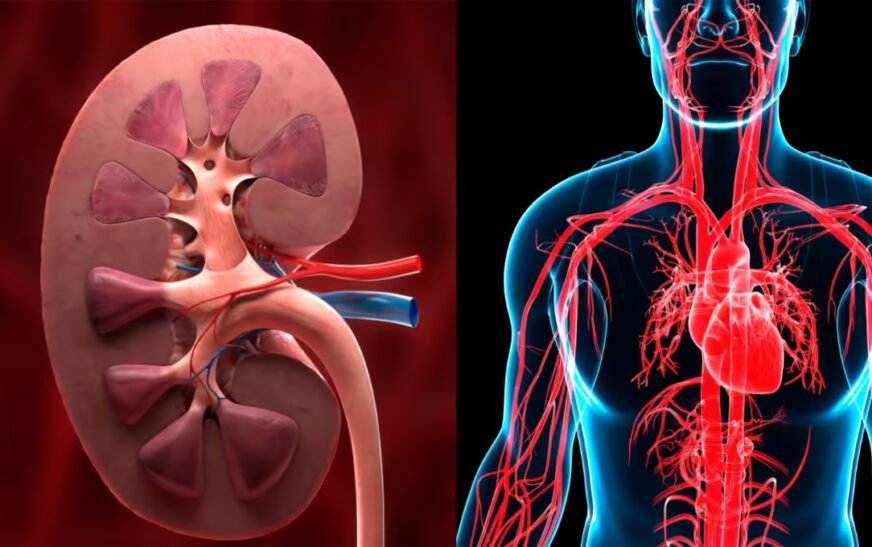
The kidneys are very important organs of the human body that purify the blood and excrete waste products and excess water through urine. According to health experts, if the kidneys continue to function properly, the risk of many chronic diseases is reduced.
However, in recent years, there has been an alarming increase in kidney diseases. Medical experts say that serious complications can be prevented by recognizing the early symptoms in time.
The symptoms of kidney disease can vary according to the nature of the disease, and often there are no obvious symptoms in the early stages. But as the disease progresses, several significant changes begin to appear in the body, which can be dangerous to ignore.
Changes in Urine Colour
According to experts, the first signs of kidney damage usually appear in the form of changes in urine. Frequent urination, especially at night, foamy urine, blood in the urine, or difficulty urinating can be clear signs of kidney failure.
Swelling
Swelling in various parts of the body is also an important sign of poor kidney function. When the kidneys are unable to remove excess fluid from the body, swelling can occur in the feet, ankles, hands, face, and around the eyes.
Fatigue and Weakness
Constant fatigue and physical weakness are also associated with kidney problems. According to experts, when kidney function is affected, waste products accumulate in the blood and anemia can also occur, resulting in the patient feeling tired all the time.
Itching and Dryness
Itchy, dry and itchy skin are also among the early symptoms of kidney failure. When toxins are not properly excreted from the body, they enter the blood and quickly cause problems.
Vomiting and poor appetite
Nausea, vomiting, loss of appetite, feeling full and bad breath can also be symptoms of kidney failure. These symptoms appear when waste products accumulated in the blood affect the digestive system.
Muscle pain
Recurrent pain and cramps in the legs or other muscles are also an important symptom of kidney disease. This can be due to an imbalance of potassium, calcium and other essential minerals in the body.
Medical experts have warned that although these symptoms are not the only definitive sign of kidney disease, ignoring them can be dangerous. It is important to consult a doctor immediately if such symptoms appear.
According to health experts, diabetes and high blood pressure are the main causes of chronic kidney disease and kidney failure. High blood pressure damages the blood vessels of the kidneys, while excess sugar affects the fine filters of the kidneys, causing their efficiency to gradually decrease.
Doctors have advised patients, especially those with diabetes and high blood pressure, to undergo regular kidney tests so that any problems can be diagnosed in a timely manner.
Read also: Research reveals why kidney disease patients face deadly heart risks