

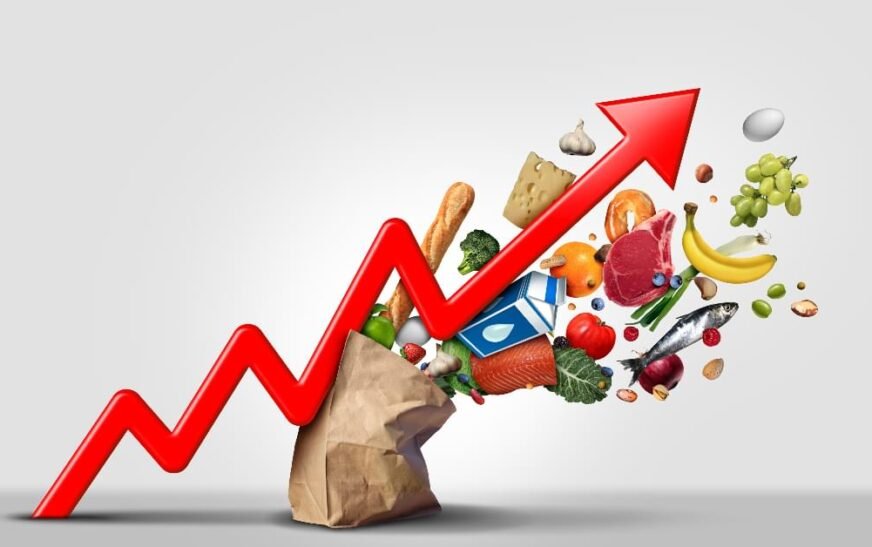
ISLAMABAD: Inflation in the country re-entered double digits after a one-month gap, with the annual inflation rate based on the Consumer Price Index recorded at 11.2% in August.
In July, inflation stood at 2.9%. However, a sharp rise in wheat and flour prices, high petroleum product prices, and higher transport fares pushed inflation back into double digits. According to the Pakistan Bureau of Statistics, inflation rose in both urban and rural areas in August, with price hikes also seen in multiple sectors, including food and energy.
Due to the government passing on the full burden of global fuel prices to consumers and imposing various taxes on petroleum products, motor fuel prices rose by about 25% compared to August last year. Currently, around Rs 116 per liter in taxes are being collected on petrol and Rs 101 per liter on High-Speed Diesel. These include Petroleum Levy, Carbon Levy, and Customs Duty.
The Ministry of Finance had forecast inflation to remain between 10-11% in August, but the actual rate turned out to be slightly higher than the estimate. The Ministry stated that due to ongoing price pressures and the impact of fluctuations in global essential commodities and energy prices, data shows that in August, food inflation reached 12.1% in urban areas and 13.2% in rural areas. Non-food inflation was recorded at 9.4% in urban areas and 11.3% in rural areas.
Core inflation, which excludes volatile food and energy prices, also increased in both urban and rural areas and remained in the range of 8.5% to 8.8%. The biggest increase was in the transport sector, where prices rose by 20.2% compared to last year. The continuously rising prices of petrol and diesel have been cited as the main reason for higher transport fares. The sharp rise in food prices has added to the public burden.
In August: Tomatoes: up 128% compared to last year; Onions: up 125%; Wheat: up 87%; Flour: up 73%; Milk and dairy products: up about 10%. On the other hand, potato prices fell by 23% and sugar prices dropped by 17%. The government has set an inflation target of 2.8%. However, average inflation for the first two months of the fiscal year has already reached 10.2%. The situation has also increased the likelihood of a further increase in interest rates.
According to economic experts, a major part of the current inflation is due to administrative decisions, fuel prices, taxes, and supply-related issues. For the government, meeting fiscal targets while bringing stability to food and energy prices remains a major challenge.
Read also: How much did weekly inflation jump this month?











1 Comment
[…] Read also: What was August 2026’s inflation rate? […]