
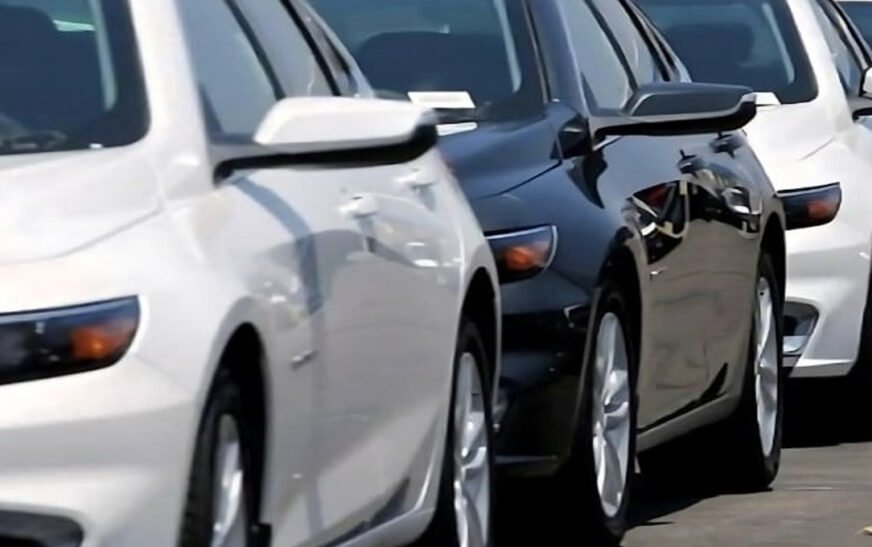
The federal government has decided to introduce fundamental changes in the structure of the motor vehicle token tax in the federal capital, Islamabad, through the Finance Bill 2026-27.
Under this new policy, the amount of token tax will now be decided not only by looking at the engine (cc) of the vehicle, but also its actual price (invoice value) will be made the standard.
According to the documents of the new finance bill, owners of small private vehicles up to 1000 cc will now have to pay a fixed token tax of Rs 20,000 annually. On the other hand, the tax rate for vehicles from 1000 cc to 2000 cc has been proposed at 0.25 percent of the invoice value of the vehicle, which is a completely new formula.
Similarly, to bring large and luxurious vehicles into the higher tax net, it has been recommended to impose a tax of 0.35 percent of the invoice value on vehicles with engines above 2000 cc. Apart from this, separate fixed tax rates are also being fixed for commercial vehicles, taxis, and motor cabs, which will be announced later.
Official sources say that the main objective of this move is to prevent tax evasion and make the tax system fairer by increasing revenue.
Economists believe that while this decision will increase the burden on buyers of expensive vehicles, the same fixed tax will also have an additional impact on the pockets of middle-class consumers. The new rules will be implemented formally only after the final approval of this bill.
Read also:Electric vehicles in line for massive token tax relief