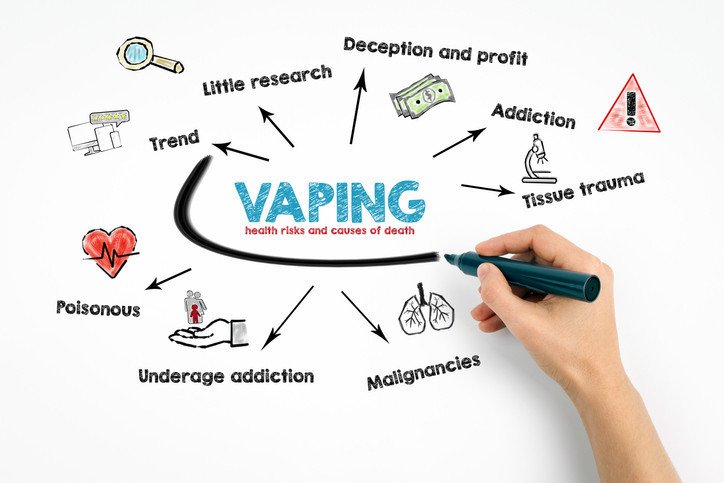
Medical experts have raised fresh concerns over the growing use of e-cigarettes among children and teenagers, warning that vaping may lead to long-term damage to the brain, heart and blood vessels.
The warnings were issued during the annual congress of the European Society of Cardiology in Madrid, where health specialists highlighted increasing evidence linking vaping to serious cardiovascular and neurological risks, particularly in young people.
Professor Maja-Lisa Løchen, senior cardiologist at the University Hospital of North Norway, said vaping can increase blood pressure and heart rate while gradually causing arteries to become stiffer. Experts cautioned that continued use of e-cigarettes may raise the likelihood of hypertension, irregular heartbeat, stroke and heart disease later in life.
Doctors also expressed concern over the effects of nicotine on developing brains. Since brain development continues into a person’s twenties, experts believe children and adolescents are more vulnerable to nicotine addiction and possible long-term neurological complications.
Researchers noted that when vape liquids are heated, they can release harmful substances including formaldehyde and acetaldehyde chemicals associated with cancer and cardiovascular disease. These substances may also damage blood vessels and trigger inflammation in the body.
Professor Susanna Price of London’s Royal Brompton Hospital said the long-term impact of vaping is still not fully understood because e-cigarettes are relatively new products. However, she stressed that vaping should not be considered completely safe.Health organisations have also called for stricter action to curb youth vaping.
British Heart Foundation Chief Executive Dr. Charmaine Griffiths said children and teenagers should not use e-cigarettes and urged governments to introduce stronger regulations to limit access and reduce usage among young people.
Some public health experts are now advocating tighter international controls, and in some cases bans, on e-cigarette sales, arguing that growing scientific evidence already shows vaping carries significant health risks.
Medical professionals emphasized that while further long-term studies are needed, the increasing popularity of vaping among youth has become a major global public health concern.