
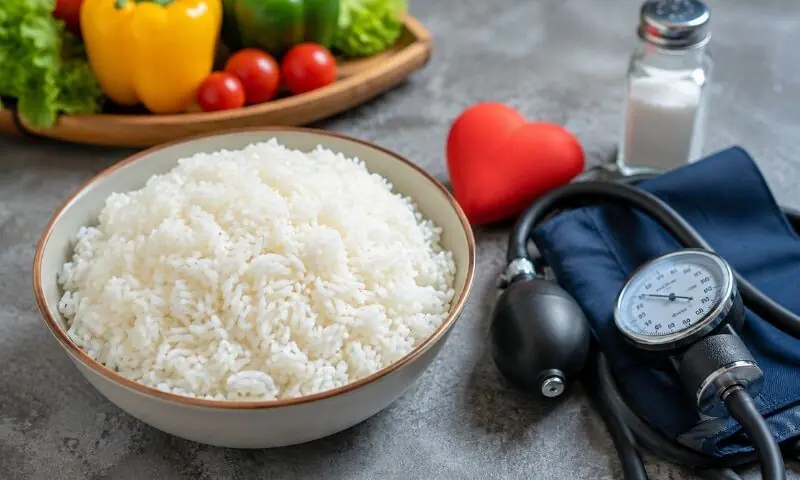
Rice is a staple in many households, but people with high blood pressure often wonder whether they should avoid it altogether.
Nutrition experts say plain rice does not directly cause high blood pressure, but the quantity consumed and the overall quality of the diet are important factors.
Rice is primarily a source of carbohydrates, which provide the body with energy. However, consuming large amounts of white rice regularly, particularly as part of a diet low in fibre and combined with limited physical activity, may have negative health effects.
White rice has a relatively high glycaemic index, meaning it can cause blood sugar levels to rise quickly. Long-term excessive consumption of refined carbohydrates may contribute to insulin resistance and increase the risk of high blood pressure. However, this does not mean that everyone who eats rice will develop hypertension.
Experts stress that blood pressure should not be attributed to a single food. Overall dietary habits are more important. A meal consisting of large portions of rice along with fried, salty or high-fat foods may be an unhealthy choice.
People with high blood pressure do not necessarily need to eliminate rice from their diets. Instead, they should maintain a balanced plate by reducing portions of white rice and adding vegetables, salads, lentils, chickpeas, beans and appropriate sources of protein.
Nutritionists also recommend choosing brown rice, red rice and other whole-grain varieties over white rice where possible. These varieties generally contain more fibre and provide nutrients such as magnesium and potassium, which can support healthy blood pressure levels.
Experts say that moderation, a balanced diet and regular physical activity are more important for managing blood pressure than completely avoiding rice.
Read also: Flour prices rise again, how much will a 20kg bag now cost?