
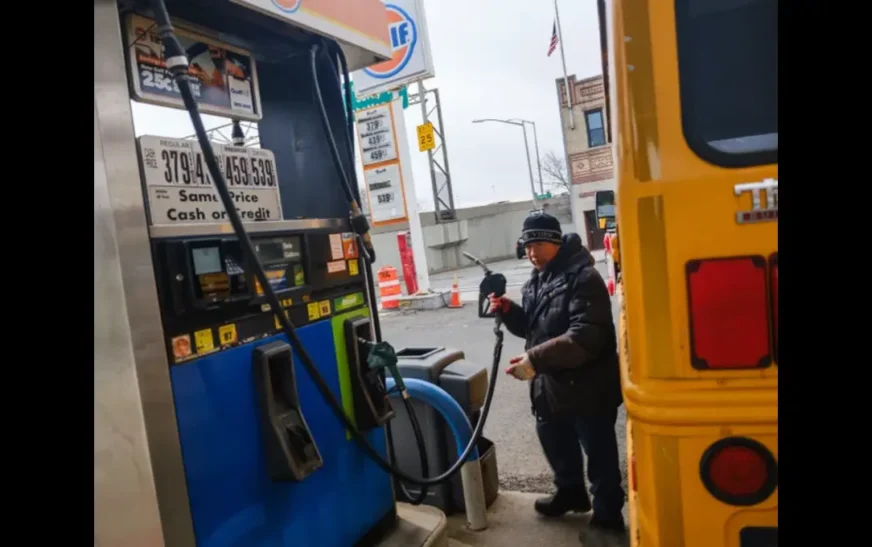
WASHINGTON: Rising fuel prices linked to ongoing tensions involving Iran have added a significant financial burden on American households, with consumers across the United States paying an estimated $59 billion in additional costs so far, according to media reports.
In quoting Mark Zandi, chief economist of Moody’s, US-based media stated that the average American household is currently paying an extra cost of almost $450 due to higher energy bills as a result of the unrest. The increase has mainly resulted from hikes in the prices of petrol, diesel, and aviation tickets.
However, Mark Zandi also pointed out that with time, the cost burden will escalate even further should the situation persist as it is today. This means that some people who are under pressure economically might decide to cut their expenditure, thus hampering economic performance.
Moreover, the cost burden for US households would eventually amount to a total of $2,000 for one year if the current pattern of increase holds.
As estimated by Moody’s, the cost burden for US households, standing at about $450, is likely to exceed the gains resulting from the tax reform package offered by President Trump, which had been estimated to offer an average gain of approximately $384 to each family unit.
According to Moody’s estimates, the $450 increase in household expenses has already offset expected gains from former President Donald Trump’s tax package, which was estimated to provide an average benefit of around $384 per household.
Experts say the situation highlights how fluctuations in global energy prices extend beyond fuel costs, affecting transportation, aviation, and overall household spending patterns across the economy.
Iran announces special maritime facilitation for two countries in Strait of Hormuz
Meanwhile, Iran has announced special maritime cooperation measures for China and Russia in the strategically significant Strait of Hormuz, according to statements from senior Iranian officials.
Abraham Azizi, chairman of the National Security Commission of Iran’s Parliament, said that special cooperation will be granted to the ships of Russia and China sailing through the critical corridor. It is further reported that the Iranian government would continue granting special preference to its strategic partners.
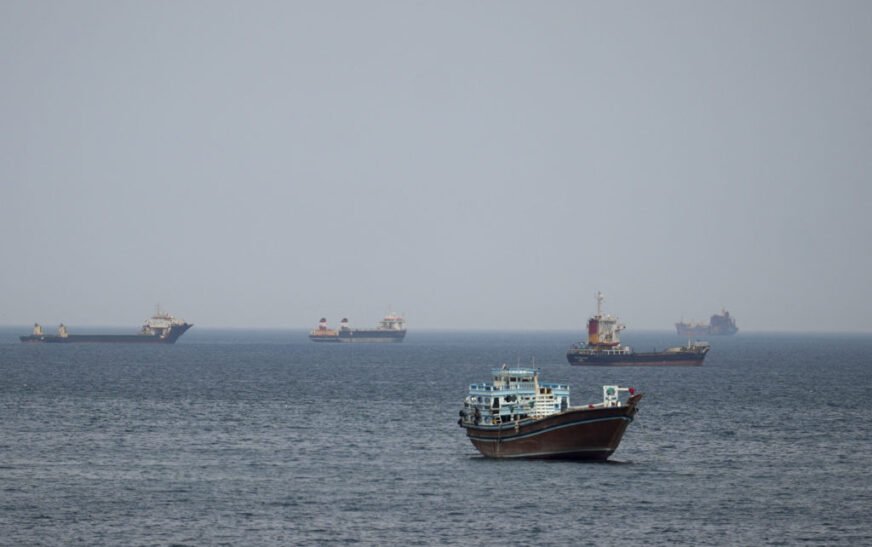
Strait of Hormuz is considered to be among the crucial energy corridors, through which a major part of oil shipments move every day. Changes to security and navigation in the area are always a matter of interest to global markets.
Azizi reported that the issue of sending enriched uranium was not being considered in the talks currently taking place and that the negotiations were rather focused on solving the disputes and putting an end to conflicts.
In addition, Islamic Revolutionary Guard Corps (IRGC) of Iran has declared its assistance in passage of 20 vessels through Strait of Hormuz during the last 24 hours.
Moreover, Iranian Foreign Ministry spokesman Ismail Baghaei stated that negotiations between Tehran and Washington have not yet yielded any agreements and that negotiations will continue via indirect means. He pointed out that at present, the main task is to halt hostilities rather than the technical aspect of the nuclear issue.
Additionally, Baghaei accused the United States of undertaking illegal measures related to the region, noting that Iran believes that the Strait of Hormuz should remain secure without being pressured or influenced by anyone from outside the region.
These statements are made against the backdrop of growing geopolitical tensions in the region, where the Strait of Hormuz continues to be an important waterway for energy supplies.