

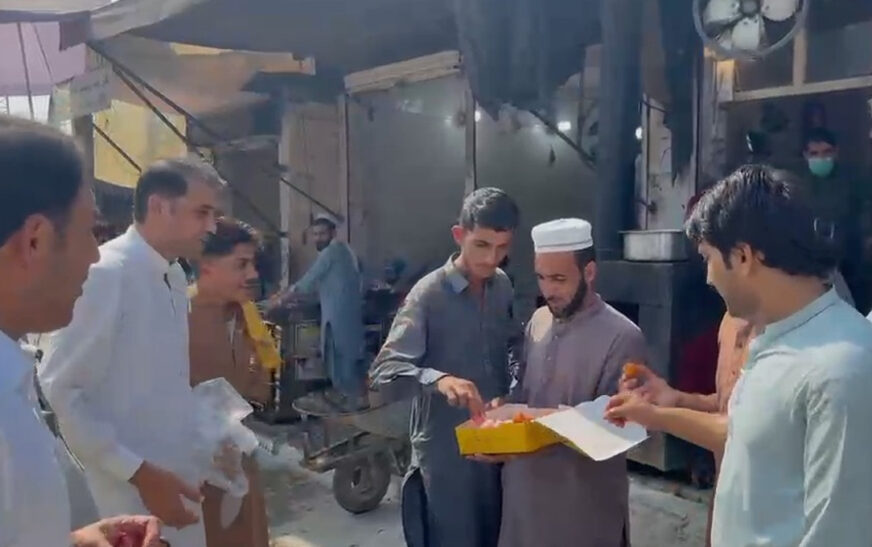
PESHAWAR: Claims of the end of the Pakistan Tehreek-e-Insaf (PTI) government in Khyber Pakhtunkhwa and the reported removal of Sohail Afridi from power have sparked widespread celebrations across the province, with reports of citizens distributing sweets and expressing relief in major cities.
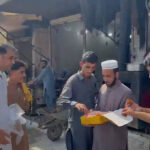
According to the supplied account, news of the reported political development prompted celebrations in different parts of Khyber Pakhtunkhwa, where people allegedly took to the streets and distributed sweets to mark what they viewed as a significant turning point in the province’s political landscape.
The report portrays the development as a moment of relief for citizens who, it claims, had grown frustrated with the provincial government’s policies, governance and handling of public resources.
For years, residents have faced concerns over access to basic facilities, the pace of development and the quality of public services. Critics of the PTI-led provincial administration have argued that governance shortcomings and political confrontation have hindered progress and weakened public confidence.
Public Frustration Over Governance and Development
The supplied report claims that the end of the PTI government’s tenure has been welcomed by sections of the public who were dissatisfied with its performance.
According to the account, citizens had become increasingly concerned about the availability of basic amenities and what they described as a slowdown in development across the province.
The report further alleges that the provincial administration failed to give sufficient priority to public welfare, with critics accusing the government of allowing political disputes to overshadow pressing public needs.
However, the claims of widespread celebrations and public reactions could not be independently verified at the time of writing.
Development Funds and Political Controversies
The allocation and utilisation of development funds have remained important issues in debates over governance and public accountability.
According to the supplied account, critics have accused the former provincial administration of failing to ensure that development resources were used effectively for public welfare. Allegations have also been raised regarding the prioritisation of political interests over infrastructure development and essential services.
Such allegations underscore the importance of transparent budgeting, effective oversight and accountability in the use of public funds.
Any claims of corruption or misuse of government resources, however, require supporting evidence and independent verification before they can be treated as established facts.
Political Background and Public Expectations
The reported development highlights the wider debate over political leadership, governance and public accountability in Khyber Pakhtunkhwa.
The province has experienced years of political competition and debate over the performance of successive administrations. Questions surrounding development, public services, economic opportunities and law and order continue to shape public discussion.
Political observers often point out that governments are ultimately judged not only by their political commitments but also by their ability to deliver essential services, improve living standards and respond to citizens’ concerns.
The episode, if confirmed, would mark a significant moment in the province’s political trajectory and could intensify debate over the performance and future direction of its political leadership.
A Message for Political Parties
The public reaction described in the report carries a broader message for political parties: sustained public support depends on effective governance, transparency and the delivery of tangible results.
Citizens expect elected representatives to prioritise education, healthcare, infrastructure, employment opportunities and public safety rather than allowing political confrontation to dominate government affairs.
For Khyber Pakhtunkhwa, the central challenge remains ensuring that political developments translate into meaningful improvements in people’s daily lives.
Ultimately, any change in provincial leadership will be judged by its impact on public welfare, institutional stability and the province’s long-term development.
ALSO READ: Out of Power, Out of Sight: Where Are KP’s PTI Leaders?







3 Comments
[…] Read also: From Political Turmoil to New Hopes: KP Awaits a Major Change […]
[…] ALSO READ: From Political Turmoil to New Hopes: KP Awaits a Major Change […]
[…] ALSO READ: From Political Turmoil to New Hopes: KP Awaits a Major Change […]