
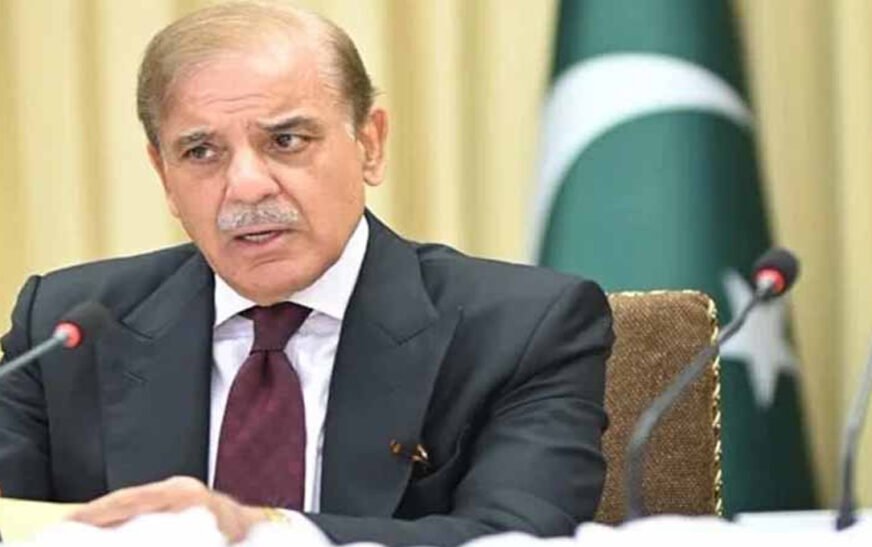
ISLAMABAD: Prime Minister Shehbaz Sharif has announced a special relief scheme to cushion the impact of rising petrol prices, offering a subsidy of Rs100 per litre to users of motorcycles, rickshaws, Qingqis and cars up to 800cc.
The relief package comes amid a surge in global oil prices following recent tensions in the Middle East, which have increased pressure on domestic petroleum prices.
The prime minister said the government was fully aware of the financial burden caused by higher fuel prices and would not leave the public alone during the difficult period.
Under the scheme, users of motorcycles, rickshaws, Qingqis and other two- and three-wheelers will receive Rs100 per litre relief on up to 20 litres of petrol per month, providing a maximum monthly benefit of Rs2,000.
Owners of cars up to 800cc will be eligible for the same Rs100-per-litre relief on up to 30 litres of petrol per month, with a maximum monthly benefit of Rs3,000.
The scheme will be implemented in Islamabad from the night between Monday and Tuesday, while it will be rolled out across Pakistan, including Azad Jammu and Kashmir and Gilgit-Baltistan, from the night between Wednesday and Thursday.
Registration for the relief scheme has started, while details about the registration process and eligibility will be communicated to the public through an awareness campaign.
مشرق وسطی میں حالیہ کشیدگی اور اسکے باعث عالمی منڈی میں بڑھتی ہوئی تیل کی قیمتوں کا عوام پر بوجھ بڑھنے کا فوری نوٹس لیتے ہوئے وزیرِ اعظم محمد شہباز شریف کی جانب سے ایک خصوصی ریلیف سکیم کا اجراء کر دیا گیا ہے.
وزیر اعظم نے سکیم کا اجراء کرتے ہوئے کہا ہے کہ تیل کی قیمتوں میں…
— Prime Minister’s Office (@PakPMO) September 13, 2026
The prime minister also thanked the provincial governments for their cooperation in providing data on motorcycles, rickshaws and small vehicles.
The government’s decision comes as global oil markets face significant volatility amid continuing tensions in the Middle East and uncertainty in the global energy market.
Petroleum prices in Pakistan are generally determined by factors including international crude oil prices, the rupee-dollar exchange rate, import costs, petroleum levy, taxes and other expenses. The government normally reviews petroleum prices every fortnight.