
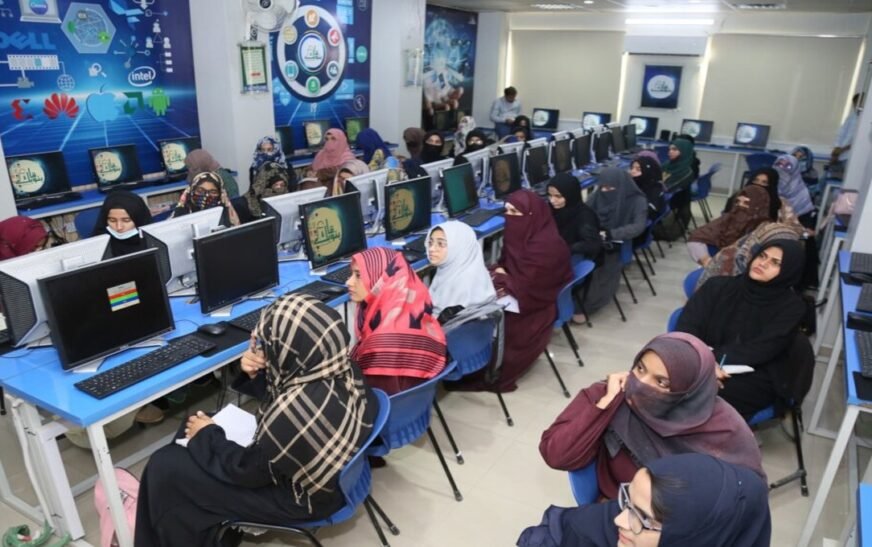
ISLAMABAD: The Government of Pakistan has launched a new programme to support 20,000 health and care workers, offering them opportunities to improve their skills, access better employment and benefit from stronger social protection.
The initiative has been launched jointly by the Government of Pakistan, the United Nations Resident Coordinator’s Office, the International Labour Organization (ILO) and the World Health Organization (WHO). It will focus on skills development, decent employment, occupational safety and health, gender equality and expanded social protection for workers in the health and care sector.
The first phase of the programme will run from July 2026 to July 2027, with the aim of laying the groundwork to reach an additional 80,000 health workers in a second phase.
Supported by the Joint Sustainable Development Goals (SDG) Fund, the programme will contribute to Pakistan’s efforts under the Global Accelerator on Jobs and Social Protection for Just Transitions. It is expected to help create more resilient labour markets while also improving the quality of health services.
The programme, titled Advancing Decent Work and Just Transitions in Pakistan through Health Sector Skills Development and Social Protection, was formally launched following the first meeting of its Joint Programme Steering Committee.
The committee, chaired by the Ministry of Overseas Pakistanis and Human Resource Development and the UN Resident Coordinator’s Office, approved the programme’s governance arrangements and first-year implementation plan.
Government officials said the initiative would strengthen Pakistan’s health workforce while supporting reforms in nursing and allied health education. ILO Country Director in Pakistan Geir Tonstol said the programme would promote safer working conditions, formal employment, stronger labour institutions and better opportunities for health workers.
WHO Representative in Pakistan Dr Luo Dapeng also reaffirmed WHO’s commitment to strengthening Pakistan’s health workforce and health systems. The initiative is expected to generate evidence, build institutional capacity and mobilise further partnerships and financing to expand decent work and social protection across Pakistan.
Read also: Which country has the most expensive Healthcare system in the World?