

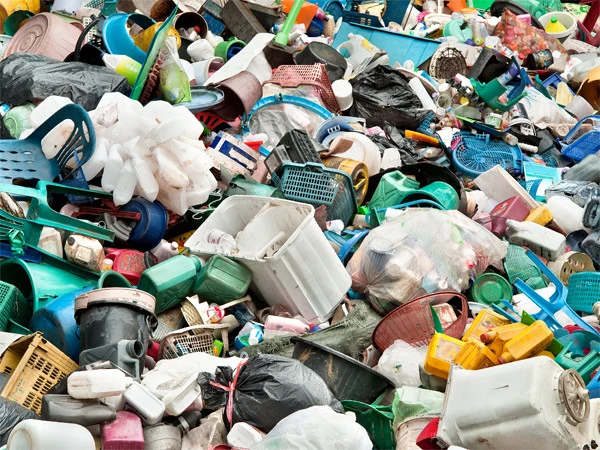
Scientists have introduced a new technique that could help tackle two of the world’s most pressing environmental challenges plastic pollution and the growing demand for clean energy by converting plastic waste into clean hydrogen.
The method, known as Alkaline Thermal Treatment (ATT), enables the production of high-purity hydrogen from plastic waste at lower temperatures than conventional technologies.
According to researchers, the process requires less sorting of mixed plastic waste and does not produce direct greenhouse gas emissions during hydrogen generation.
The researchers say the breakthrough could offer a more sustainable approach to managing plastic waste while supporting the transition to cleaner energy sources.
Globally, only a small proportion of plastic waste is recycled, as the sorting and cleaning process is often expensive, labour-intensive and technically challenging.
Prof. Woo Jae Kim, a chemical engineering and materials science expert at Ewha Womans University in South Korea, said discarded plastics are typically contaminated with food residue, adhesives, labels, dyes and other chemical additives.
Many plastic products also consist of multiple layers of different materials, making them difficult and costly to separate for conventional recycling.
The newly developed ATT process is expected to improve the efficiency of plastic waste utilisation while producing clean hydrogen, offering a promising solution to reduce plastic pollution and advance low-carbon energy technologies.
Read also: Rising HIV cases: 10cc syringe ban raises concerns over newborn treatment














1 Comment
[…] Read also: Scientists develop innovative technique to generate clean hydrogen from plastic waste […]