

ISLAMABAD: The federal government has announced a significant policy shift aimed at reducing taxes on used vehicle imports and easing long-standing restrictions on their entry into the country, officials told a parliamentary committee.
According to briefing details presented to the Senate Standing Committee on Finance, the government plans to gradually relax import restrictions in line with commitments under its agreement with the International Monetary Fund (IMF). Officials said the move is intended to create a more competitive market and provide broader access to imported vehicles.
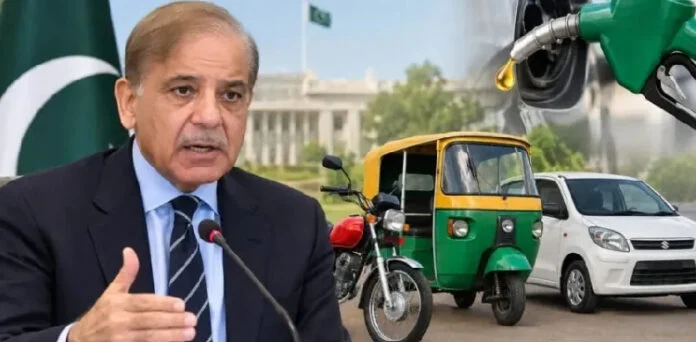
Under the proposed changes, restrictions on importing vehicles up to five years old are expected to be lifted from July, provided they meet environmental standards. In addition, the regulatory duty on used car imports is set to be reduced from 40 percent to 30 percent as part of a phased adjustment.
According to a high-ranking official from the Ministry of Commerce, these measures represent just one of the numerous measures aimed at liberalizing trade and restructuring the tariff system according to international standards. There are also plans for reducing the total import tariff to about 13.77 percent from 16.56 percent in the coming fiscal year.
Phased reduction of regulatory duties is taking place in several industries, according to information given to the committee.
However, not all proposals received approval from international financial partners. Officials confirmed that the International Monetary Fund has opposed tax exemptions on educational items, including stationery products such as pencils, sharpeners, and notebooks. These items continue to remain subject to an 18 percent sales tax introduced in the previous budget.
In separate remarks, the Federal Minister for Finance rejected additional tax relief proposals for exporters and the beverage industries, stating that existing incentives already include reductions in advance income tax, elimination of the super tax, and lower interest rates.
Meanwhile, lawmakers also approved amendments to customs laws allowing special judges expanded authority to freeze assets in cases involving money laundering or illegal financial transfers.
The policy changes signal a broader shift in Pakistan’s economic direction as the government continues to balance revenue generation with trade liberalization and structural reforms.