
ISLAMABAD: A recent study has revealed a surprising role of Vitamin B2 (Riboflavin) in helping cancer cells survive, raising new questions about its impact on cancer progression.
Vitamin B2 is one of those water-soluble vitamins whose function primarily involves the conversion of carbs to energy and the extraction of energy from proteins. Apart from that, it maintains healthy skin, red blood cells, and other internal membranes.
However, according to the researchers, it has become apparent that the metabolic pathway responsible for supplying energy to Vitamin B2 can be used as a defense barrier against the destruction of cancer cells.
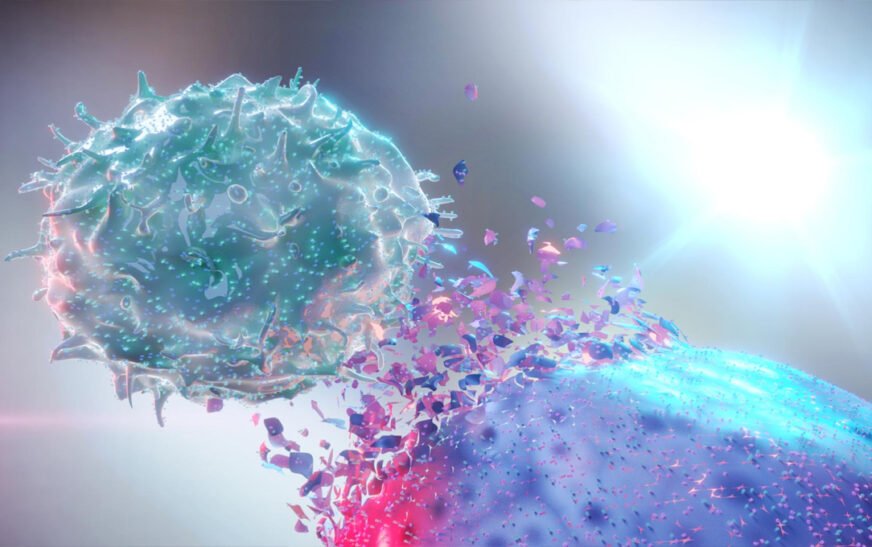
According to the study, Vitamin B2 can prevent cancerous cells from being destroyed through ferroptosis, which is a natural process of programmed cell death used by the body to prevent the spread and growth of cancer.
This way, by forming a natural defense barrier, the vitamin contributes to ensuring the survival of the tumor.
“Vitamin B2 has an important and unexpected role within cells and acts to protect cancer cells from ferroptosis,” said the researchers.
Ferroptosis is a natural form of programmed cell death designed to inhibit cancer growth.
New study suggests coffee may reduce risk of cancer
Earlier, according to a recent study Coffee, a daily staple for millions, may offer more than just energy and alertness it could also play a role in reducing the risk of certain cancers.
Recent research indicates that regular coffee consumption is linked to a significant decrease in the risk of prostate cancer, one of the leading causes of cancer-related deaths among men. Approximately one in six men may develop the disease by the age of 85.
Coffee’s caffeine content not only boosts energy but also supports memory, mood, and cognitive performance.
Previous studies conducted by the American Institute for Cancer Research have also suggested that coffee may lower the risk of cancers affecting the head, neck, colorectal region, breast, and liver.
The current study reviewed data from 16 different research projects, covering more than 57,000 prostate cancer cases and over 1 million participants in total.
Results showed a clear trend: higher coffee consumption was associated with a reduced risk of prostate cancer.
Researchers also noted that each additional cup of coffee consumed daily may further reduce the risk.
However, they cautioned that the study is observational and does not establish a direct cause-and-effect relationship, highlighting the need for further research to understand the biological mechanisms behind the findings.