

The terrorist attack on the Fateh Khel police post on the outskirts of Bannu on the night of May 9, while causing a huge loss of life, also highlights the complex security situation and the impact of the political narratives of the banned organization like PTM and Aman Pasoon.
At around 8:30 pm on the night of May 9, an explosive-laden rickshaw (VBSB) targeted the Fateh Khel police post, 5 km from Bannu Cantt. The explosion was so intense that the entire police post building collapsed. A total of 15 personnel were martyred in this tragic incident, of whom 13 died due to the collapse of the building. Immediately after the incident, the Pakistan Army’s Quick Response Force (QRF) reached the scene and started rescue operations and evacuated the injured.
The responsibility for the attack has been claimed by the Hafiz Gul Bahadur Group-affiliated organization ‘IMP’. According to evidence, the Hafiz Gul Bahadur Group is operating from Afghanistan under the auspices of the Afghan Taliban. At the time of the attack, the terrorists had set up barriers at six different locations around the police post to delay relief operations, which could not be reported locally in time.
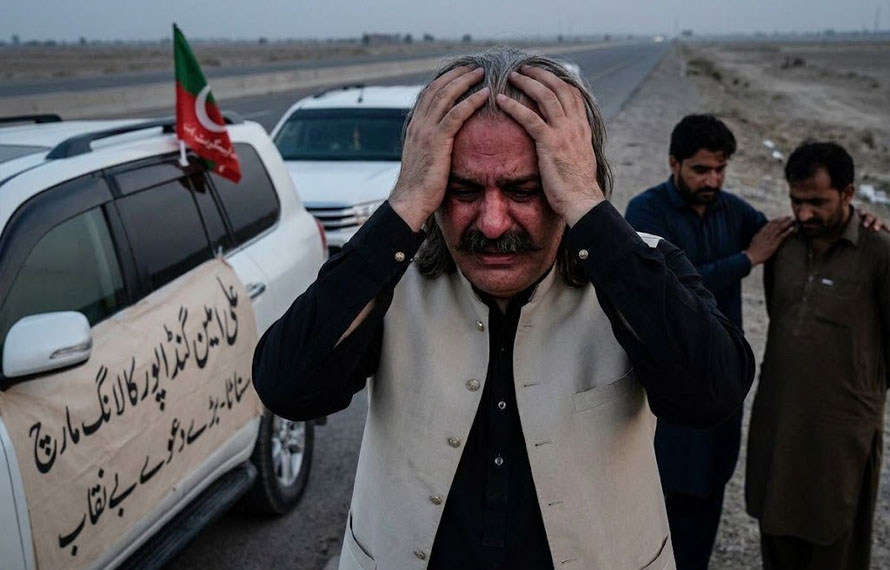
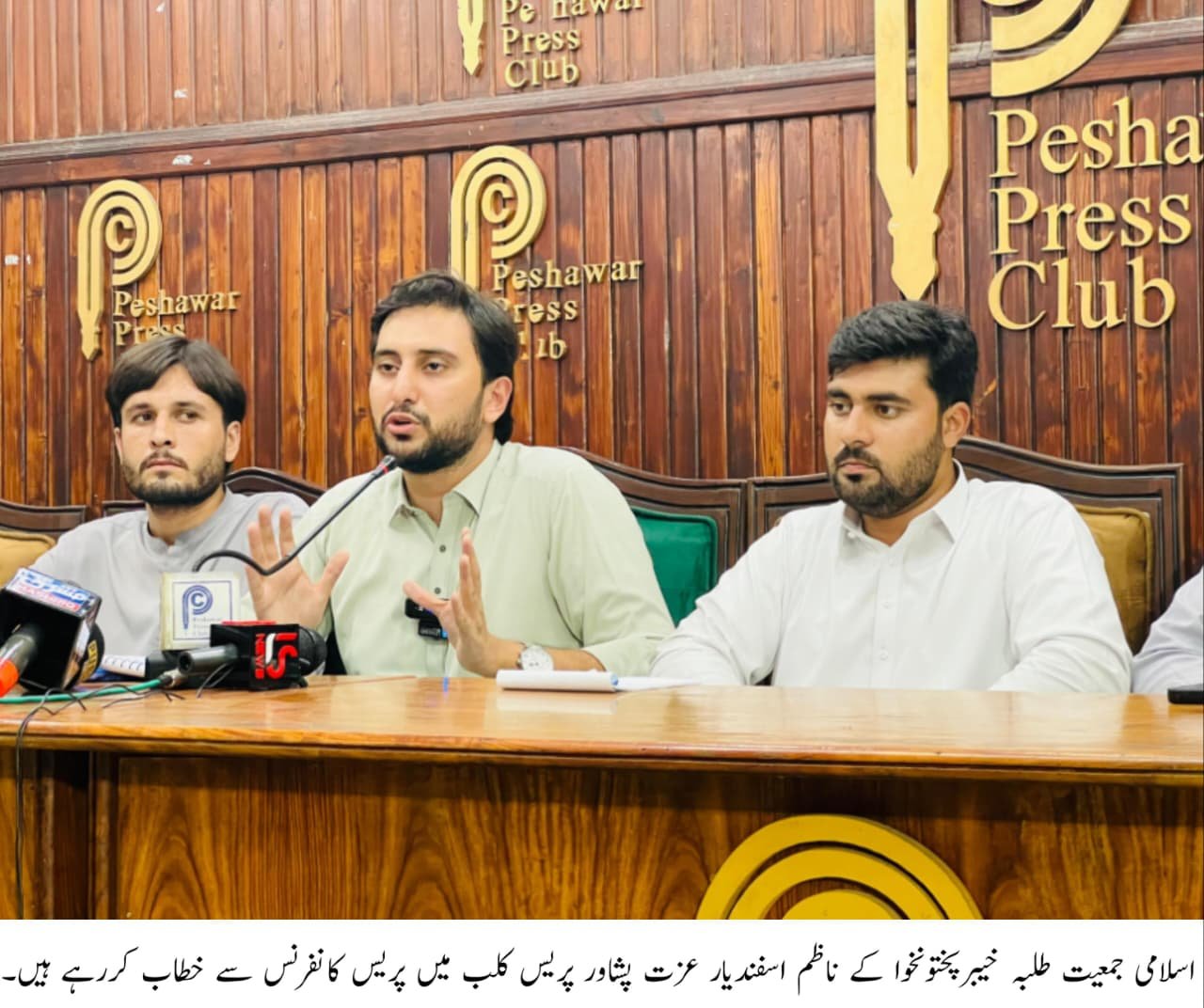
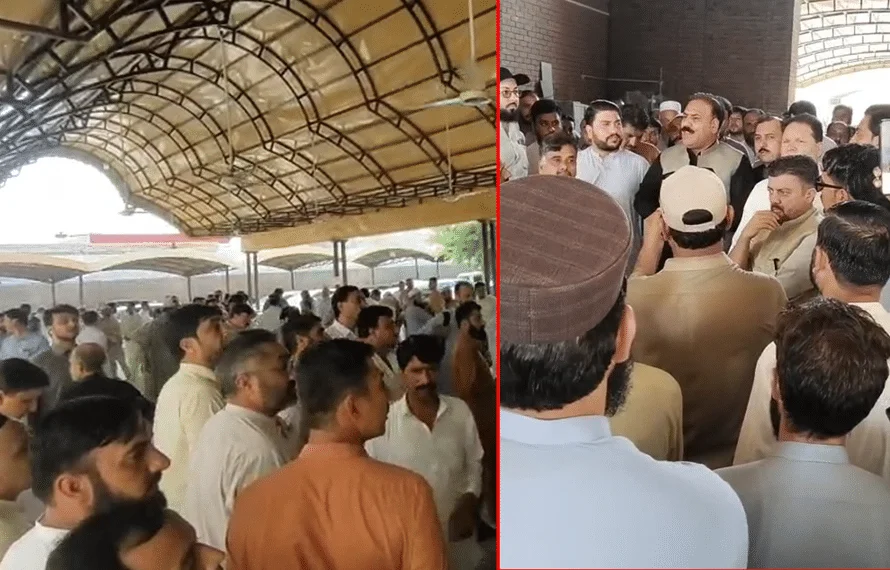
The recent events in Bannu and forums like “Aman Pasun” have attempted to create a specific narrative against the state and security institutions. Political forces like PTI and PTM are accused of using it for their political interests instead of showing solidarity on the security situation. The debate of “good and bad Taliban” has created confusion among the public, while the army’s position is clear that all terrorists are enemies of the state.
According to the report, some elements within the police force, allegedly recruited on political grounds, are trying to affect the discipline of the force. The Khyber Pakhtunkhwa Police is a brave and professional force that has fought terrorism for two decades, but political interference, lack of funds, and unavailability of protective equipment have affected its performance.
The Pakistan Army and the Khyber Pakhtunkhwa Police have always fought terrorism shoulder to shoulder. Incidents like Bannu CTD Compound (2023) and Bannu Police Lines (2024) are examples of this joint struggle. During the last six months, the army killed 171 terrorists in various operations, which reflects the strong resolve of the state.
The powers of transfers and postings should be completely depoliticized and handed over to the IG. The construction of police posts should be modernized and strengthened so that they can withstand bomb blasts.
Local political leadership must educate the public in the fight against terrorism and support the federal policy regarding the Afghan Taliban. The police should be provided with modern surveillance equipment and armoured vehicles so that they can be capable of a Quick Response Force (QRF).
Pakistan’s security agencies are tracking the terrorist network and their masterminds, and this cowardly attack will be met with a befitting response. Despite all conspiracies, the army and police are united to eliminate terrorism.
Read also: India was behind suicide bombing outside Islamabad HC: Indian journalist