
ISLAMABAD: U.S. President Donald Trump has issued a sharp assessment of the 20-hour diplomatic dialogue held in Pakistan, revealing that while negotiators reached agreements on several key points, Iran remains “unyielding” in its refusal to abandon its nuclear ambitions.
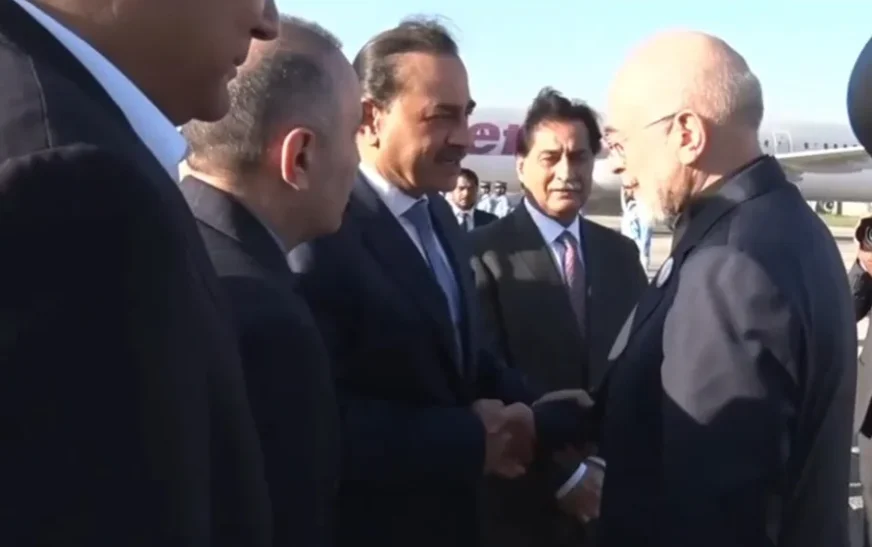
The high-stakes meeting, which ran through the night, involved U.S. representatives Vice President JD Vance, Special Envoy Steve Witkoff, and Jared Kushner meeting with an Iranian delegation led by Mohammad-Bagher Ghalibaf, Abbas Araghchi, and Ali Bagheri.
President Trump stated that while his representatives developed a respectful rapport with their Iranian counterparts, the progress made on secondary issues is overshadowed by the nuclear stalemate. The President asserted that the points agreed upon were, in many ways, preferable to continuing military operations to their conclusion. Still, he maintained his long-standing position that Iran will never be permitted to obtain a nuclear weapon, describing the current leadership as too volatile and unpredictable to hold nuclear power.
The President also addressed a critical situation in the Strait of Hormuz, accusing Iran of failing to fulfil a promise to reopen the international waterway. He noted that Iranian claims of mining the waters have caused global anxiety and disruption to the shipping sector, despite the President’s assertion that much of the Iranian Navy and “mine droppers” have already been destroyed. He demanded that Iran begin the process of opening the waterway immediately, citing violations of international law and permanent harm to Iran’s global reputation.
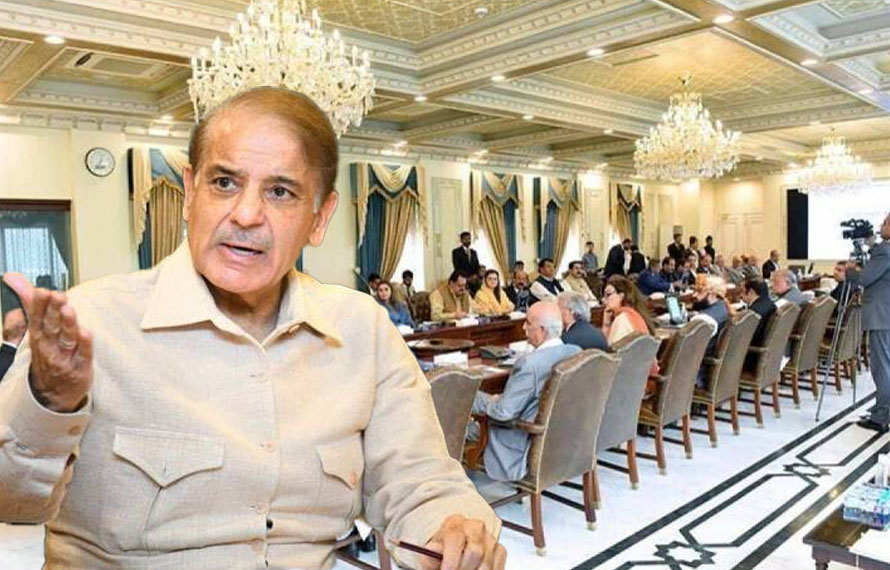
The summit was facilitated by the Pakistani leadership, whom the President praised as “extraordinary.” He specifically credited Field Marshal Asim Munir and Prime Minister Shehbaz Sharif for their “kind and very competent leadership” in hosting the talks. During these interactions, the President noted that the Pakistani leaders expressed gratitude for his previous role in preventing a “horrendous war” with India, a move he claimed saved between 30 to 50 million lives.