
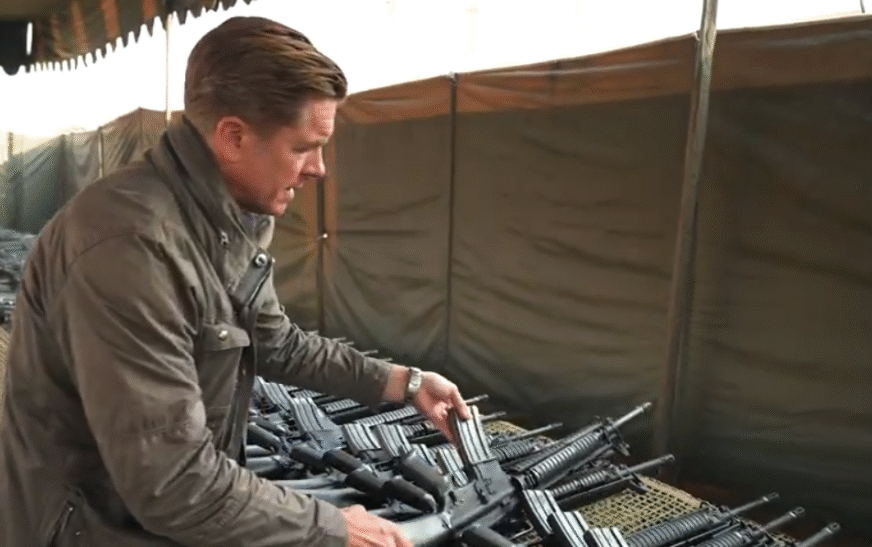
Key US weapons stockpiles remain significantly depleted and will come under even more intense pressure if strikes against Iran continue at the current rate, as President Donald Trump reiterated Friday that the ceasefire in the conflict is “over.”
The situation with armaments could impact the American military’s ability to fight a potential future war with China or even North Korea, experts told CNN.
“If the war continues at the rate it’s been going for the last [five] days.t would reduce stockpiles enough that there would be a new, higher level of risk with the Indo-Pacific,” said Mark Cancian, a retired Marine Corps colonel and defense analyst at the Center for Strategic and International Studies think tank.
The early phase of the Iran conflict, dubbed Operation Epic Fury, saw the US military expend thousands of key missiles used for long-range precision strikes and to defend against enemy air and missile attacks, according to analysts and previous CNN reporting.
Michael O’Hanlon, who leads foreign policy research at the Brookings Institution think tank, said there’s “no doubt” that stockpiles are “lower than we would prefer.”
By the time full-scale fighting between the US and Iran stopped in April, the Pentagon had fired at least half of its THAAD ballistic missile interceptors, nearly half of its Patriot air defense interceptors, and around 30% of its Tomahawk land-attack missiles, according to a CSIS analysis. CNN previously confirmed the accuracy of the analysis through three people familiar with internal Defense Department stockpile estimates.
The ceasefire offered a respite for the US stockpile as the low-intensity tit-for-tat strikes in subsequent months required fewer US missiles.
But replenishment rates are low for key missiles, Cancian said — according to current fiscal year delivery schedules, the Pentagon is receiving roughly 15 new Tomahawks and 20 new Patriot missiles per month. There are no THAAD deliveries forecast in 2026. CSIS estimated it would take three or more years to rebuild those inventories to pre-Iran war levels.
Elaine McCusker, an American Enterprise Institute senior fellow who previously served as the Pentagon’s deputy and acting comptroller, told CNN that the “timeline for replenishment of munitions for the most part will be measured in years two-to-five for most.”
Defense acquisition expert John Ferrari, a retired Army two-star general also affiliated with the American Enterprise Institute, highlighted that “not a single dollar has been appropriated by the Congress to replace a single missile” since the war began, leaving just the “normal, slow yearly peacetime process.”
In recent weeks, the White House formally requested supplemental funding from lawmakers to cover the costs of the Iran conflict (and some unrelated programs), but the measure faces a tough road through Congress.
Read also:US-Iran tensions push Oil prices high