
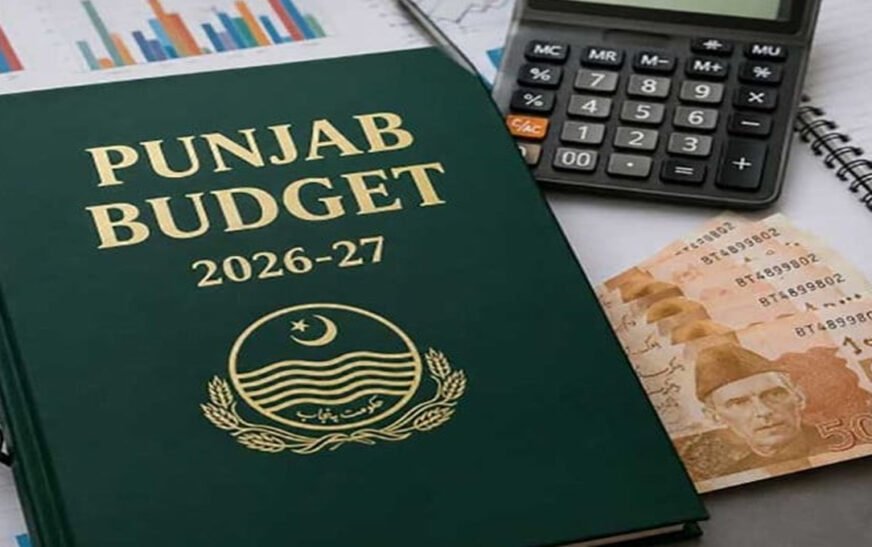
LAHORE: The Punjab government will present its third provincial budget on June 16 with officials confirming that like the previous two budgets, no new taxes will be imposed in the upcoming fiscal plan.
According to Provincial Finance Minister Mujtaba Shuja-ur-Rehman, the budget is being prepared under the directives of Chief Minister Maryam Nawaz Sharif with a strong focus on public needs, industrial development, and job creation. He said expanding employment opportunities remains the government’s top priority.
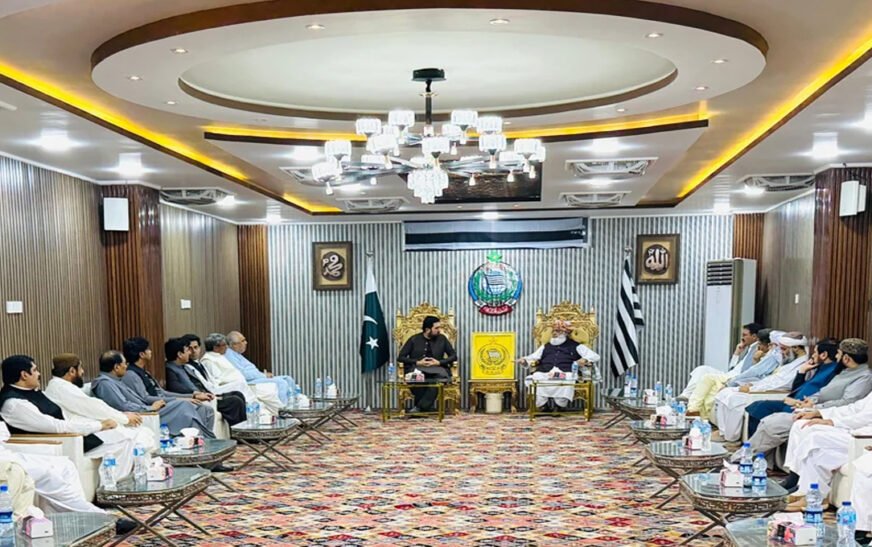
The announcement came during a pre-budget roundtable conference organized by the Punjab Finance Department, which brought together stakeholders from chambers of commerce and industry, international donors, academia, the Institute of Chartered Accountants, agriculture associations, textile representatives, media, and civil society. Officials described it as the first time in Punjab’s history that such a broad range of stakeholders has been formally consulted before a budget presentation.
Mujtaba Shuja-ur-Rehman briefed participants on the government’s performance over the past two years, stating that for the first time, all announced development projects were formally initiated and several have already been completed. He highlighted flagship initiatives including “Apni Chhat Apna Ghar,” “Suthra Punjab,” the Kisan Card program, and the Ramadan Nigahban package.
Under the housing initiative, he said, 133,990 housing loans have been disbursed so far. The Suthra Punjab program, he added, has expanded from district-level implementation to tehsil and village levels. The program was allocated Rs106 billion last year and Rs99.41 billion in the current fiscal year, with officials citing improved sanitation arrangements during Eid-ul-Adha as evidence of effective utilization.
The finance minister noted that the past fiscal year was challenging for both federal and provincial governments, citing severe flooding that affected 27 districts in Punjab. He said the province faced its worst floods in a century, requiring extensive rehabilitation efforts.
He added that under the leadership of Chief Minister Maryam Nawaz Sharif, Punjab became the first province to finance rehabilitation efforts from its own resources without federal assistance, distributing nearly Rs50 billion in relief to flood-affected families.
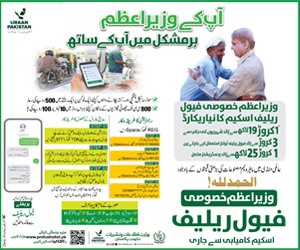
Officials also pointed to fiscal adjustments made in response to global financial pressures, including a reported 50 percent reduction in fuel expenditures. Ministers, parliamentary secretaries, and senior officials reportedly waived two months of salaries, while other lawmakers accepted a 25 percent reduction in pay. Additional targeted subsidies were also announced for farmers and transport users.
Despite fiscal constraints, the government said more than 100 policy measures were implemented during the year. The finance minister emphasized that while the province serves a population of over 130 million, available resources remain limited. He reiterated that no new taxes will be introduced, with emphasis instead placed on expanding the tax net, improving industrial productivity, and facilitating business growth.
He further announced plans to strengthen economic zones and industrial infrastructure in the upcoming budget to support broad-based industrial development.
The pre-budget consultation was described as a step toward a more “people-centric” budget-making process, with officials indicating that similar sessions will be held in May in future years to ensure timely inclusion of stakeholder input.