
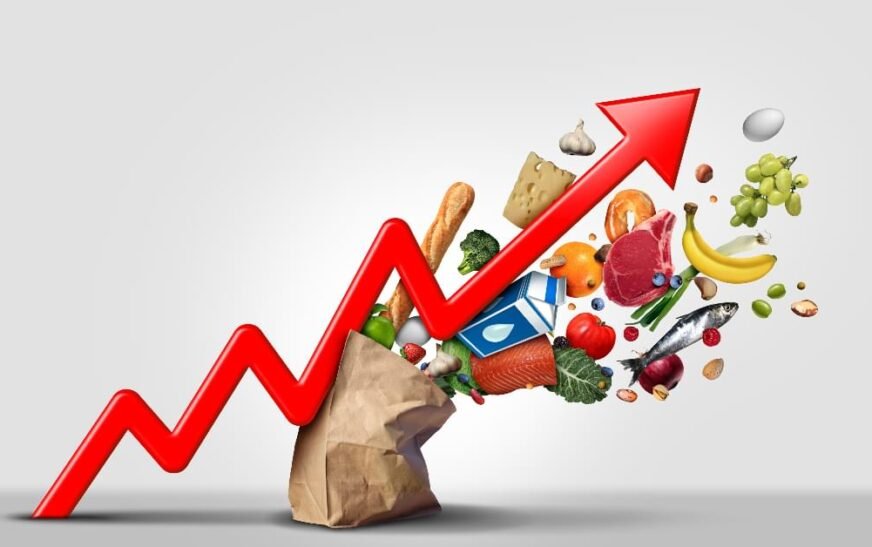
ISLAMABAD: Pakistan’s annual inflation accelerated to 5.1 per cent in July 2026, while consumer prices increased 1.2pc on a month-on-month basis, driven largely by a sharp rise in food, housing and transport costs, according to the latest data released by the Pakistan Bureau of Statistics (PBS).
The report showed tomato prices recorded the steepest increase, surging by 116pc during the month. Prices of several other essential food items also rose significantly, with flour becoming 6.75pc more expensive, wheat prices increasing by 7.42pc, live broiler chicken by 19pc, onions by 20pc, vegetables by 22pc and eggs by 14.3pc.
Consumers also faced higher prices for bakery products, rice, jaggery, powdered milk and fresh milk, while tea became more than 3.5pc costlier.
According to the PBS, core inflation which excludes food and energy prices rose by 7pc to 8.6pc on an annual basis, indicating persistent underlying price pressures.
Inflation in urban areas stood at 8.7pc, while rural inflation was higher at 9.9pc during July.
The report also highlighted increases in non-food expenses. Medicine prices rose by 2pc, housing services by 3.16pc and house rents by 1.48pc during the month. Overall spending on housing, water, electricity, gas and other fuels increased by 7.14pc.
On an annual basis, food prices were up 10.64pc, while prices of perishable food items increased by 5.8pc. Transport costs rose by 15pc, clothing and footwear by 9.18pc, education by 9pc and healthcare services by 7.8pc, reflecting broad-based inflationary pressures across the economy.
Read also: Fresh inflation storm raises prices of 22 items in one week