
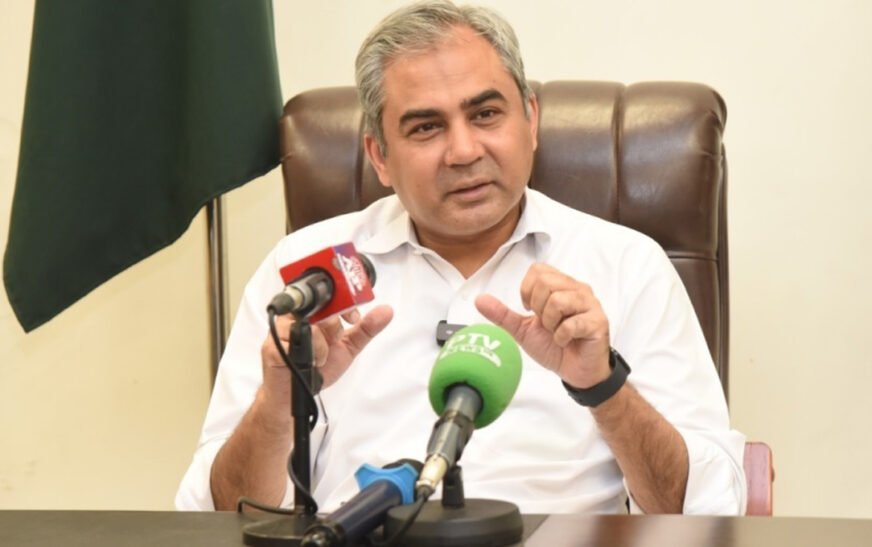
ISLAMABAD: Interior Minister Mohsin Naqvi has called for a positive approach to the debate over the creation of new provinces, saying the people should be allowed to decide what administrative structure they want.
Speaking to Azad Digital, Naqvi said detailed discussions were underway on the issue of new provinces and that authorities would have to consider what could be done in the future.
The interior minister said local administrative systems were in place in many parts of the world, particularly in Europe and the United Kingdom.
He expressed a desire to see new leadership emerge at the local level, saying Pakistan should also produce leaders like Sadiq Khan, Zohran Mamdani and Recep Tayyip Erdogan.
The debate over the creation of new provinces and administrative units has intensified in Pakistan, while the government has also accelerated preparations to introduce a new administrative model for Islamabad.
Addressing an event a day earlier, Naqvi had said the system needed to be “reset,” questioning why new provinces could not be created if new districts could be established.
He said administrative units would eventually be created and that neither an individual, political party nor representatives could prevent the process.
New Provinces Debate: Islamabad May Soon Get Its Own Government under New Plan
Earlier, a high-level special committee has presented Prime Minister Shehbaz Sharif with a proposed new administrative model for the federal capital, including the establishment of a 27-member Islamabad Assembly.
Under the draft, Islamabad would have its own assembly, chief executive and 27 administrative departments. Twenty-one assembly members would be directly elected by the public, with seven seats proposed from each National Assembly constituency in the capital.
The draft also recommends five reserved seats for women and one for minorities.
The chief executive of Islamabad could hold the position of chief minister or mayor, while the proposed 27 administrative departments would operate under the Islamabad government.
Health, education, environment and municipal services would be placed under the local government. However, law and order and master planning would remain under the federal government.
The proposed model also includes a review of the powers and responsibilities of various institutions, including the Capital Development Authority (CDA).
According to the draft, the Election Commission of Pakistan would be responsible for conducting Islamabad Assembly elections. Matters relating to law and order and master planning would be managed by the federal government or governor.
The Islamabad Assembly would have administrative and financial autonomy similar to that enjoyed by provincial governments.
The committee has recommended transferring all CDA powers and functions to the Islamabad local government. Other institutions operating under the Local Government Act would also be transferred to the local government.
The proposed Islamabad government would formulate its own rules of business. A chief secretary and four secretaries would be appointed to oversee administrative affairs, with the secretaries assigned responsibilities for different administrative groups and departments.
Federal institutions established to serve the entire country would continue operating in Islamabad.