
PESHAWAR: The Khyber Pakhtunkhwa (KP) government has rolled out a livestock insurance program in Galiyat to reduce human-wildlife conflicts.
The program aims to help farmers receive compensation for any loss due to attacks by wildlife such as leopards in mountainous or forested areas. It was implemented to discourage communities from killing wildlife after their livestock were attacked.
It has been launched in collaboration with World Wide Fund for Nature (WWF) and Jubilee Insurance Company. This would be implemented in selected areas in Galiyat, which have witnessed increased human-wildlife conflicts due to attacks on their livestock.
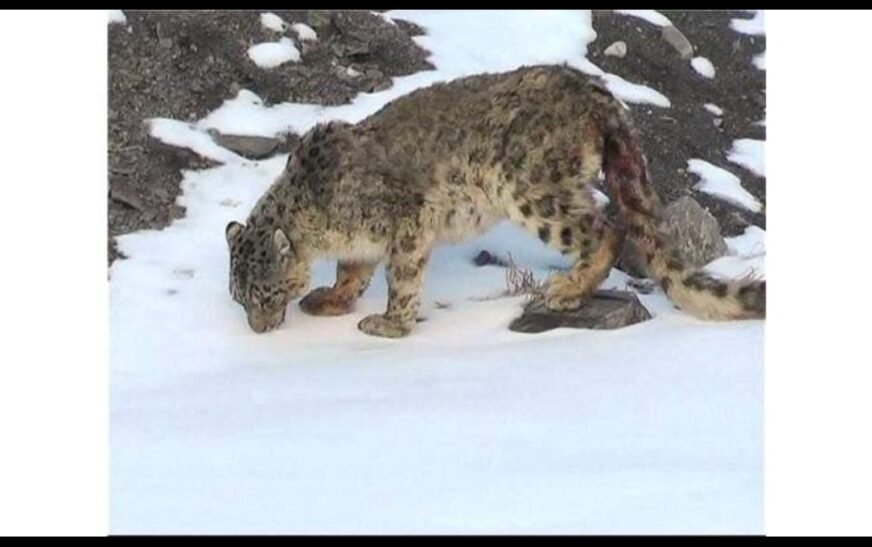
WWF has reported an increase in the instances of human-wildlife conflict in recent times due to reasons such as shrinking habitat and human presence. Due to loss to their livestock, people have at times killed off wild animals like the snow leopards.
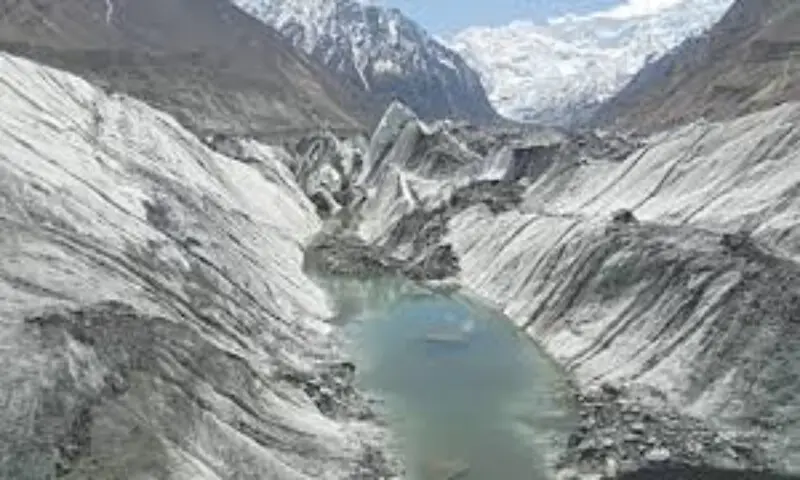
The data provided by the conservationists indicate that these incidents have been reported in areas adjacent to Ayubia National Park, Machhiara National Park, and Khunjerab National Park. For instance, in Khunjerab, 499 livestock attacks have been reported in 2023, with six snow leopards killed in acts of revenge since 2015 to 2023.
According to the proposed policy, the farmers suffering from livestock kills will receive financial compensation for their loss, thereby easing their financial burdens. The authorities believe that such steps will discourage revengeful killings and will ensure the safety of endangered species.
Commenting on the matter, the Director General of WWF Pakistan, Hammad Naqi Khan, stated that the conflict of man and nature had become an ecological and economical problem. As such, the introduced insurance scheme would be beneficial for addressing both issues.
Similarly, the Head of Jubilee Insurance, Azfar Arshad, stated that such steps were crucial for developing an environmentally friendly and sustainable system of insurance.
The introduced program was developed in collaboration with the provincial wildlife department and local communities. It would provide the opportunity to register and monitor livestock in addition to forming rural conservation and park protection committees.