
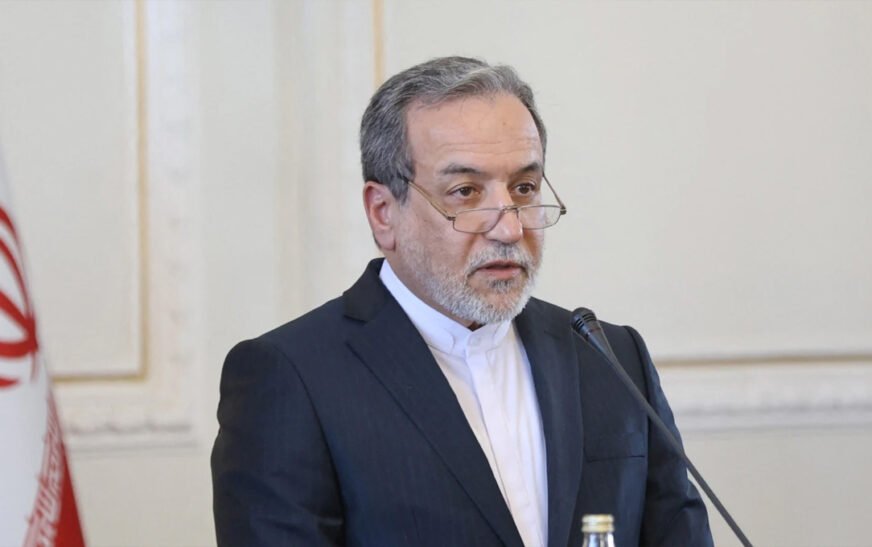
Iranian Foreign Minister Abbas Araqchi announced that the Strait of Hormuz has been completely opened for the passage of all commercial ships in the context of the ceasefire in Lebanon.
The 10-day ceasefire brokered by the US between Lebanon and Israel in April 2026 has played a key role in reducing tensions in the region. This ceasefire has had a direct impact on the situation in the Persian Gulf and the Strait of Hormuz, which is the most important route for global oil shipments. Reopening of the Strait of Hormuz: Key Details
According to the latest statement issued by the Ports and Maritime Organization of Iran, the Strait of Hormuz has been reopened to all commercial ships. All commercial ships have been instructed to follow a specific sea route determined by Iran. The aim is to avoid the threat of sea mines and ensure security.
In line with the ceasefire in Lebanon, the passage for all commercial vessels through Strait of Hormuz is declared completely open for the remaining period of ceasefire, on the coordinated route as already announced by Ports and Maritime Organisation of the Islamic Rep. of Iran.
— Seyed Abbas Araghchi (@araghchi) April 17, 2026
The route is currently declared “fully open” for the remainder of the ceasefire. Security protocols: Although the route is open, reports suggest that Iranian authorities and the Revolutionary Guard Corps (IRGC) are closely monitoring traffic to prevent any violations. The reopening of the Strait of Hormuz has had a profound impact on global markets. The news of the ceasefire and the opening of the route has seen global crude oil prices fall by more than 15% (to around $95 per barrel).
Shipping companies such as Maersk and Hapag-Lloyd have begun to carefully assess the situation, raising hopes that the disruption to the global supply chain will end. The US Navy and other international forces have been clearing mines in the area. Mine clearance operations are underway to ensure that commercial traffic is fully safe. Although Iran has announced the opening of the route, experts are calling it a “monitored interval”. Commercial vessels are advised to obtain the latest security guidelines from the relevant maritime authorities before traveling, as security risks still exist in the region.
Read also: Donald Trump praises Iranian people, says they are good fighters