

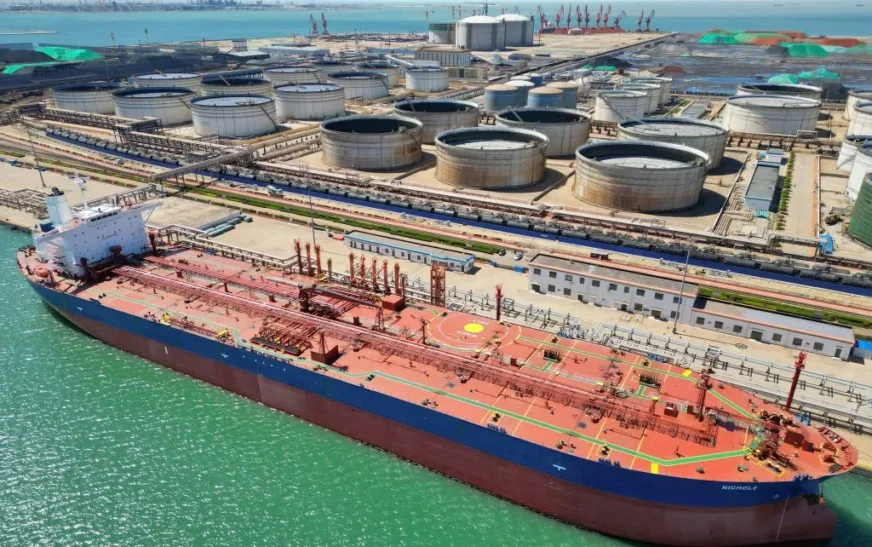
The closure of the Strait of Hormuz has shaken global trade as the ongoing war between Iran, Israel and the United States enters its fourth week.
According to a report by the International Maritime Organization (IMO), there are currently more than 3,000 commercial ships from various countries stranded in the Persian Gulf and surrounding sea areas, including oil tankers, cargo ships and food ships. There are also more than 20,000 sailors on board these ships who are stranded in the middle of the sea.
The Strait of Hormuz, which is the route for 20% of the world’s oil supply, has seen a 90% reduction in maritime traffic. Before the war, an average of 138 ships passed through it daily, which has now decreased to less than 5. Global shipping companies have all but stopped using the route due to reports of Iranian mines being laid at sea and fears of drone attacks on commercial ships, which has pushed crude oil prices above $115 per barrel in the global market.
Diplomatic efforts are also underway to resolve the crisis. US President Donald Trump has given Iran a deadline of April 6, 2026 to open the Strait of Hormuz, while Tehran recently informed the IMO in a letter that it would only allow ships from “non-hostile” countries to pass through after coordination with Iranian authorities. However, the route is still completely closed to ships flying the flags of Western countries, posing a major threat to the global supply chain.
Read also: Trump says US will not stay in Iran, Strait of Hormuz will open once we leave