
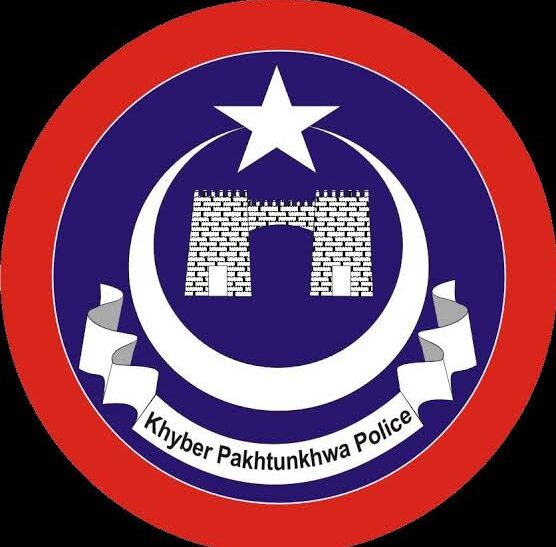
PESHAWAR: The Khyber Pakhtunkhwa Inspector General of Police (IGP) Zulfiqar Hameed on Saturday issued a new operational guidelines for handling of public protests across the province.
The official notification issued said that it aimed to protect lives and public property while neutralizing potential sabotage and violence by anti-state elements during public demonstrations.
Under these fresh directives, personal accountability is placed on District Police Officers (DPOs), Sub-Divisional Police Officers (SDPOs), and Station House Officers (SHOs) to lead field security during protests, utilizing specialized formations that include fully equipped anti-riot squads with verified gas guns, special squads of unarmed personnel to apprehend violent protesters, widespread plainclothes personnel, and armed tactical units reserved strictly for extreme emergencies under direct DPO command.
Furthermore, the policy outlines that DPOs can require protest organizers to obtain formal licensing under Section 84 of the KP Police Act 2017 if a breach of peace is anticipated, while local police officers retain the power to halt unauthorized processions, declare non-compliant assemblies unlawful, and temporarily block public streets for security reasons.
To ensure comprehensive transparency and accountability, SHOs are now mandated to arrange professional video recordings of entire protest processions from start to finish. While the operational guidelines explicitly emphasize maximum restraint and peaceful negotiations during orderly demonstrations, they dictate a strictly graduated, phased use of force if an assembly turns violent or poses an imminent threat to life and property.
This enforcement strategy begins with clear verbal warnings followed by tear gas shells fired from a safe distance, scales up to rubber bullets and paper ball guns, moves to baton charges paired with swift apprehensions, and permits aerial firing only as a final resort under extreme violence and under the explicit direction of the senior-most officer present on the scene.
Additionally, the directive warns that any individual carrying firearm weapons during a protest faces the immediate seizure of their arms and strict legal action under Section 148 of the Pakistan Penal Code, with all district police heads ordered to finalize coordination mechanisms with local administrations and conduct mandatory briefings before managing any public demonstration.
Read also: Why has Islamabad Police banned its personnel from social media?