


Artificial sweeteners, long promoted as a healthier alternative to sugar, may have unintended effects on blood sugar regulation, according to a new study that challenges their perceived metabolic benefits.
The research suggests that several commonly used artificial sweeteners may interfere with the body’s ability to regulate blood sugar rather than improve it, despite containing little to no calories.
The study was led by Professor Meng Wang and researchers at the Friedman School of Nutrition Science and Policy at Tufts University, who analyzed data from 21 randomized clinical trials comparing people who consumed artificial sweeteners with those who drank water or calorie-free placebo beverages.
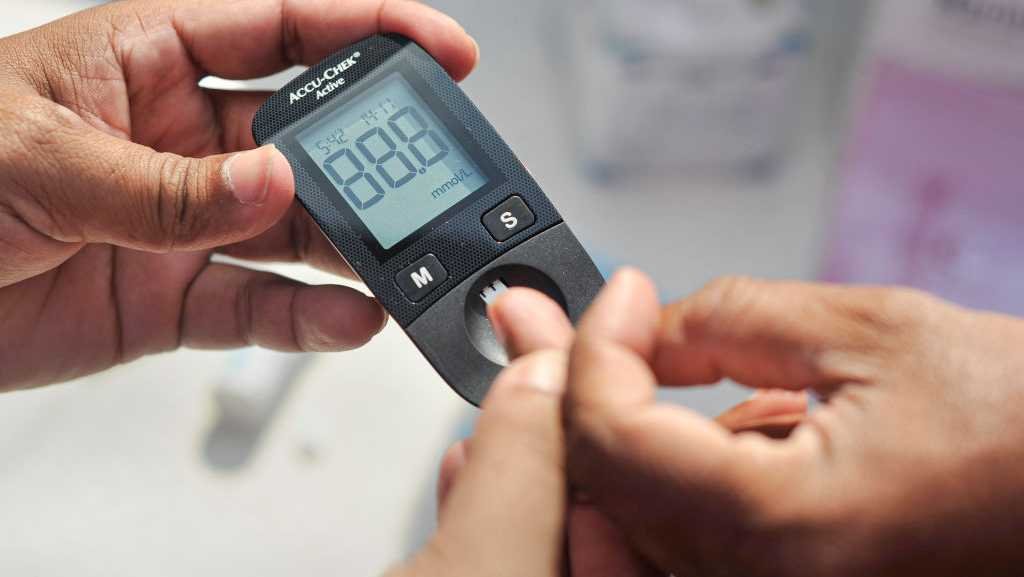
The findings showed that participants who consumed artificial sweeteners generally had higher fasting insulin levels and elevated HbA1c, a key marker used to measure long-term blood sugar control.
Researchers also found evidence suggesting that artificial sweeteners may reduce insulin sensitivity, although they noted that the available evidence for this association remains limited and requires further investigation.
According to the researchers, the findings indicate that the effects of artificial sweeteners on human metabolism may be more complex than previously believed. They emphasized that additional high-quality studies are needed to better understand their long-term impact on metabolic health and blood sugar regulation.
While the study raises important questions about the widespread use of artificial sweeteners, the researchers cautioned that further research is necessary before drawing definitive conclusions about their health effects.
Read also: Quitting sugar completely may harm health, new study finds













1 Comment
[…] Read also: Artificial sweeteners may disrupt blood sugar control, new study suggests […]