
ISLAMABAD: Senior security officials on Monday issued a scathing indictment of the Afghan Taliban regime, characterising it as a “proxy master” for multiple terrorist groups and warning that Pakistan is in no hurry to conclude its ongoing military offensive, Operation Ghazab Lil Haq.
In a comprehensive briefing to media persons, officials asserted that the duration of operations in Afghanistan remains strictly contingent upon the Kabul regime’s willingness to cease its facilitation of what they termed Fitna al Khawarij and Fitna al Hindustan.
Alleging that the Afghan Taliban are flourishing on a “war economy” under the guise of perverted religious ideology, the officials maintained that the regime’s leaders are motivated solely by financial gain rather than faith.
The security sources underscored that Pakistan’s military actions are transparent and focused exclusively on the infrastructure and sanctuaries supporting terrorism, rather than the Afghan people.
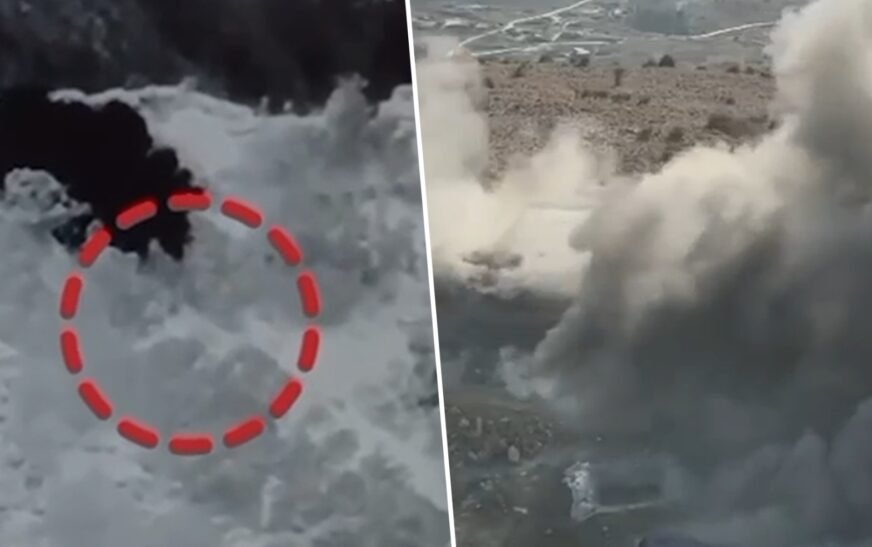
Disclosing operational details, they revealed that over 180 militant posts have been destroyed and more than 30 captured, specifically targeting launch pads used to facilitate attacks against Pakistani citizens, mosques, and children.
The officials dismissed the credibility of the Afghan Taliban’s official accounts, labelling their output as “concocted propaganda” directed by Indian masters. They further claimed that the military’s intervention has received a positive response from oppressed Afghan minorities and communities who are relieved to see a stand taken against “cruel warlords.”
Addressing the broader regional landscape, the briefing touched upon Pakistan’s calibrated stance regarding Iran and the Middle East. While expressing a desire for a stable and peaceful Iran, officials unequivocally voiced concerns over the targeting of “brotherly Arab countries” by Tehran.
They dismissed as “highly misplaced” any perceptions that Pakistan could be the next target of regional instability, citing Pakistan’s distinct military prowess and robust foreign policy compared to its neighbours.
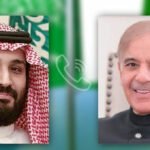
The officials also reaffirmed the country’s deep strategic ties with the Kingdom of Saudi Arabia, noting that any potential participation in an International Stabilisation Force (ISF) remains subject to a formal decision by the federal government.
On the domestic front, the security apparatus defended the Army’s involvement in internal security as a necessary response to “governance gaps” and the incomplete implementation of the National Action Plan (NAP).
Asserting that the institution has no interest in politics, the sources blamed the politicisation of civilian security institutions for the military’s current role.
Regarding recent countrywide protests, the officials stated that while the right to peaceful protest is sacrosanct, violence and chaos orchestrated by “miscreants” and “militants” would be dealt with strictly according to the law.
The briefing concluded with a firm reminder of the military’s subordination to the civilian government, with sources stating that the leadership remains committed to its constitutional role of following the directives of whichever administration is in power.