

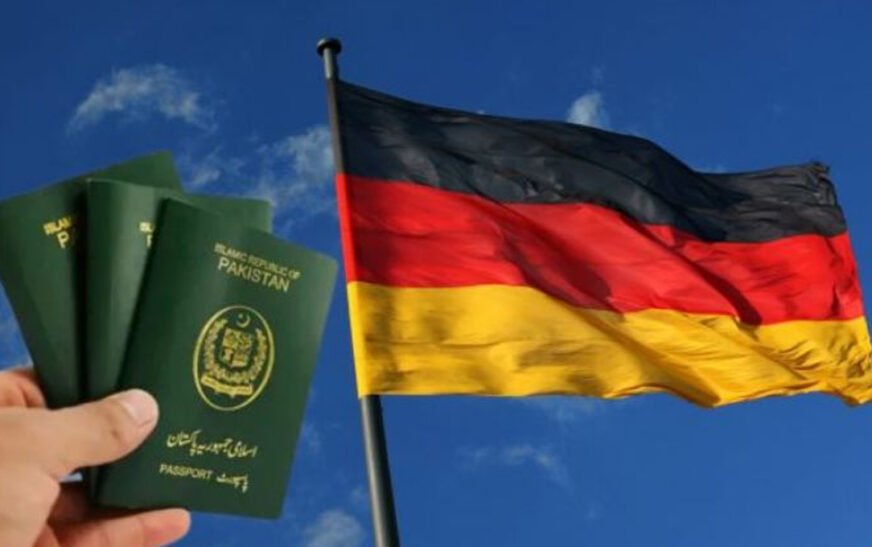
ISLAMABAD: Pakistanis seeking employment abroad have significant opportunities in Germany’s nursing sector, where a growing shortage of qualified healthcare professionals has created strong demand for foreign workers.
According to Pakistan’s Bureau of Emigration and Overseas Employment (BEOE), Germany is facing an acute shortage of trained nurses due to its aging population and increasing life expectancy. As a result, the German government and healthcare institutions are actively recruiting qualified nurses from overseas.
Pakistani nurses holding recognized diplomas or bachelor’s degrees in nursing are eligible to apply for employment in Germany. However, applicants must first have their academic and professional qualifications officially recognized by the relevant German authorities.
The BEOE stated that candidates are also required to meet several conditions, including obtaining recognition of their qualifications, acquiring German language proficiency, and fulfilling other professional licensing requirements.
In Germany, the official nursing titles include Pflegefachfrau, Pflegefachmann, and Pflegefachperson, covering general nursing, pediatric care, and elderly care.
Qualified nurses can find employment in hospitals, nursing homes, rehabilitation centers, home healthcare services, and palliative care facilities. Their responsibilities typically include patient care, maintaining medical records, assisting healthcare teams, implementing treatment plans, and supporting patients with daily activities such as personal hygiene, nutrition, and mobility.
Since nursing is a regulated profession in Germany, foreign professionals must obtain official authorization before they can practice independently. This requires the formal recognition of foreign nursing qualifications.
Applicants generally have two pathways to achieve recognition. Under the first option, German authorities assess whether the applicant’s qualifications are equivalent to German standards. If substantial differences are identified, candidates may be required to complete an adaptation period or pass a professional knowledge examination.
Alternatively, applicants may enrol directly in a recognized German nursing training program. While this route is often faster and less expensive, previous work experience and additional qualifications may not be fully taken into account.
Authorities also require applicants to demonstrate German language proficiency at a minimum B2 level, supported by an accredited language certificate.
In addition, candidates must submit a medical certificate confirming their physical and mental fitness, along with evidence of good character and a clean criminal record.
Citizens of the European Union, Norway, Iceland, and Switzerland do not require a visa to work in Germany. Applicants from other countries, including Pakistan, must obtain an appropriate residence permit before taking up employment.
German authorities have clarified that nursing professionals are not eligible for the EU Blue Card scheme. However, applicants whose qualifications have not yet been fully recognized may apply for a visa specifically designed for professional recognition.
Other available pathways include the Recognition Partnership and the Opportunity Card, which allow qualified individuals to travel to Germany, seek employment, and complete the professional recognition process, provided they meet the relevant eligibility requirements.
To support international recruitment, the German government has established several official placement programs, recruitment agencies, and professional guidance services to help foreign nurses secure employment and address the country’s growing demand for healthcare workers.














1 Comment
[…] without formal university degrees may still have opportunities to work and obtain residence in Germany under certain conditions, with three key visa and residence permit routes available based on […]