
Residents of several rural villages in Khyber Pakhtunkhwa have expressed growing concern over worsening civic problems, including damaged roads, irregular water supply, poor sanitation, and prolonged electricity outages.
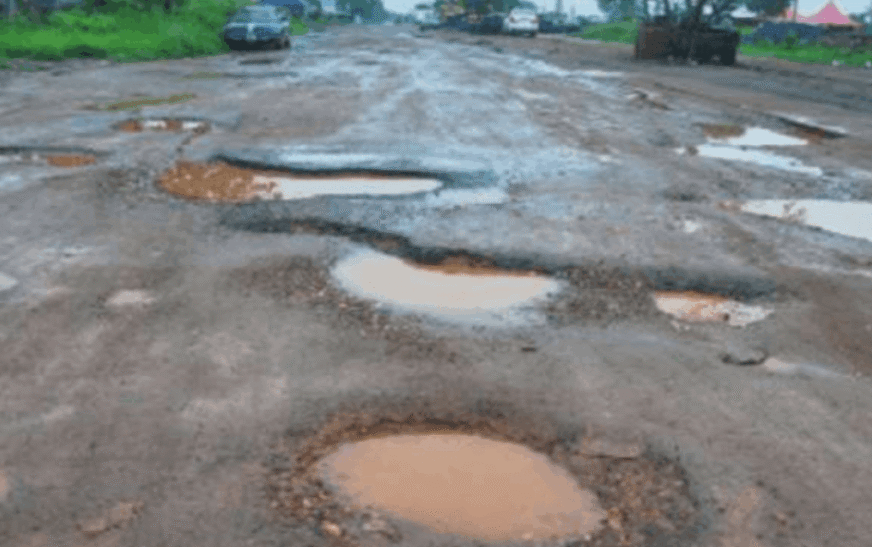
Resident of village Totali Buner Haji Karim Shah said that broken roads have made travel difficult, especially during the rainy season. “Schoolchildren and patients face serious hardships because vehicles cannot easily reach the village,” he said.
Residents alleged that despite repeated announcements of development schemes, little visible progress has been made on the ground. Several villagers claimed that funds allocated for rural infrastructure projects were either delayed, poorly utilized, or diverted to projects in politically influential areas.
Another resident, Naveed Khan, claimed that overflowing drains and the lack of proper waste disposal have increased health risks, particularly for children and older adults. “We have repeatedly requested improvements, but little has changed,” he said.
Village elder Malik Rahim Gul alleged that public development funds are often distributed on the basis of political influence rather than community needs. “Smaller villages are frequently overlooked, while areas represented by influential figures receive repeated allocations for roads, water schemes, and street paving,” he claimed.
Some residents also expressed concerns about favoritism in the awarding of local development contracts, alleging that projects are sometimes granted to individuals with political connections instead of through transparent procedures.
They argued that this practice often results in incomplete or substandard work, forcing communities to continue living without basic facilities. These allegations have not been independently verified, and no official response was immediately available.
Residents also complained about frequent electricity interruptions, saying they affect household activities, education, healthcare services, and small businesses. Farmer Saeed Ullah said unreliable power has disrupted irrigation schedules, increasing production costs and reducing crop yields. “Agriculture is our only source of income, but prolonged power outages are making it increasingly difficult to sustain our livelihoods,” he said.
Women in the villages said the lack of clean water and sanitation has placed an additional burden on households. Many spend hours each day collecting water, leaving less time for education, income-generating activities, and childcare. Parents also voiced concern over the condition of government schools, where broken access roads and inadequate sanitation discourage regular attendance.
Residents urged the provincial government and district authorities to ensure transparency in the utilization of public funds, strengthen oversight of development projects, and prioritize underserved rural communities based on need rather than political considerations.
They called for timely completion of road rehabilitation, reliable drinking water schemes, improved sanitation systems, and uninterrupted electricity supply to improve living conditions across rural Khyber Pakhtunkhwa.
Read also: KP cabinet to meet today: Key development projects on agenda