
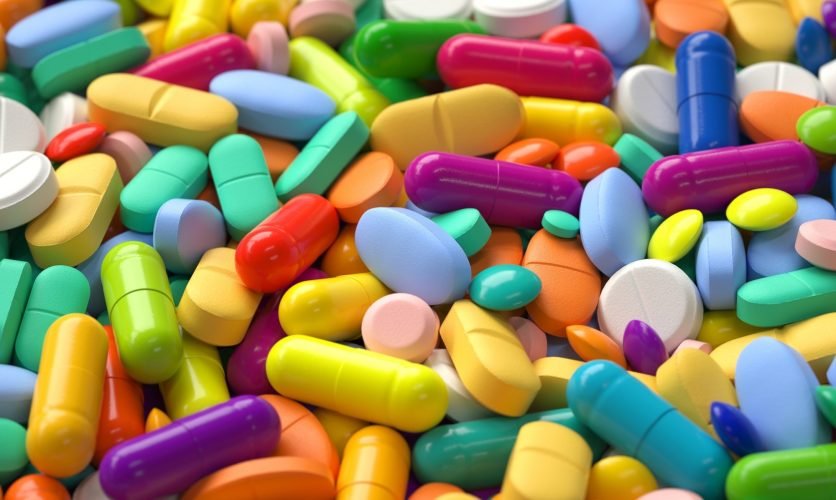
The federal government has announced a major initiative to eliminate counterfeit and substandard medicines by introducing a nationwide barcode system for all pharmaceutical products within the next 60 days.
Federal Minister for National Health Services Syed Mustafa Kamal said all necessary preparations have been completed by the Ministry of Health and relevant authorities to implement the system, which is aimed at ensuring the authenticity, quality and traceability of medicines across Pakistan.
Speaking at a ceremony during his visit to the headquarters of the Pakistan Pharmaceutical Manufacturers Association (PPMA), the minister also announced that a Mega Pakistan-China Business-to-Business Pharma Conference will be held on July 17 and 18 to attract foreign investment in the country’s pharmaceutical sector.
More than 150 Pakistani pharmaceutical companies have already registered for the event, while over 100 Chinese pharmaceutical firms are expected to participate.
The government hopes to attract Chinese investment in medical devices, active pharmaceutical ingredients (APIs), innovative medicines, advanced molecules and modern pharmaceutical technologies to strengthen the local industry and position Pakistan as a regional pharmaceutical hub.
Mustafa Kamal said attracting Chinese investment into the pharmaceutical sector remains one of the government’s top priorities.
Rather than limiting cooperation to memorandums of understanding, the government is focusing on practical business agreements, with virtual meetings between companies set to begin before the conference.
The minister noted that Pakistan currently manufactures around 85 percent of its pharmaceutical requirements domestically but still imports nearly 99 percent of the raw materials used in drug production, with China serving as the largest supplier.
Highlighting the importance of the barcode system, Mustafa Kamal said the global trade in counterfeit medicines is worth billions of dollars.
He added that the new system will enable authorities to track medicines throughout the supply chain, ensure patients receive genuine products and help eliminate fake medicines from the market.
The health minister also called for greater innovation in the pharmaceutical industry, revealing that 35 new drug molecules have already been approved, while another 50 remain under review.
He said delays in price approvals had contributed to shortages of certain cancer medicines, allowing middlemen to exploit the situation by selling the drugs at inflated prices.
Read also: Two arrested in raid on Peshawar house producing fake medicines