
PESHAWAR – Residents across Khyber Pakhtunkhwa’s rural areas are enduring daily power outages lasting up to 20 hours, sparking widespread protests and anger against the Peshawar Electric Supply Company.
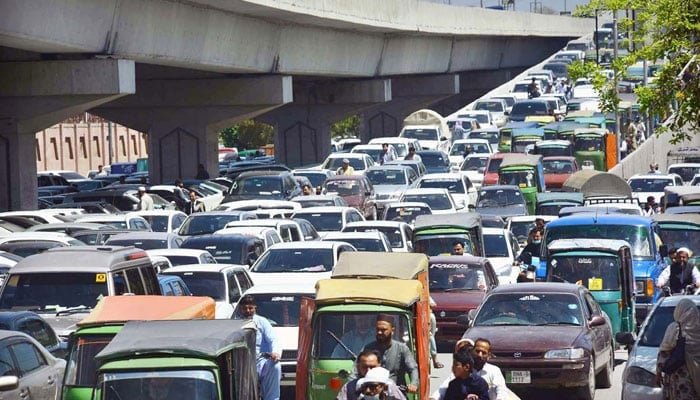
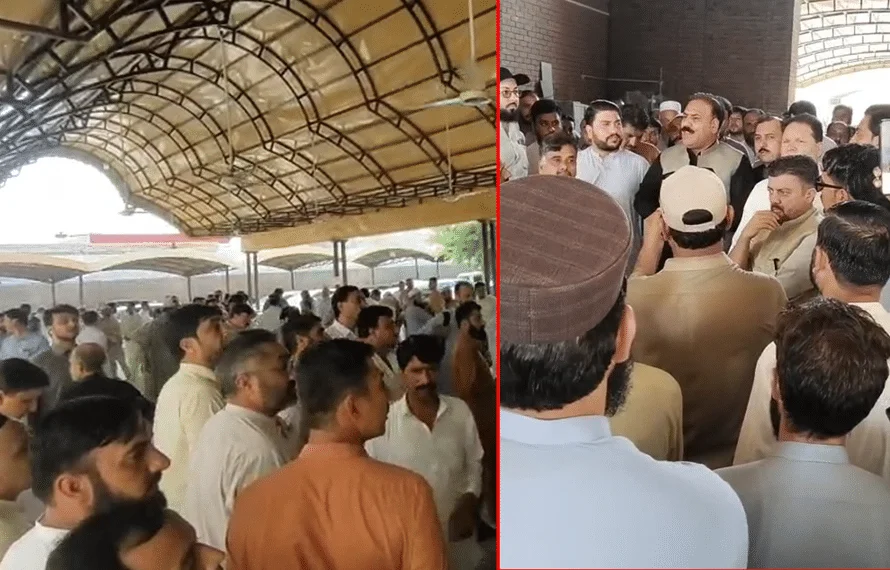
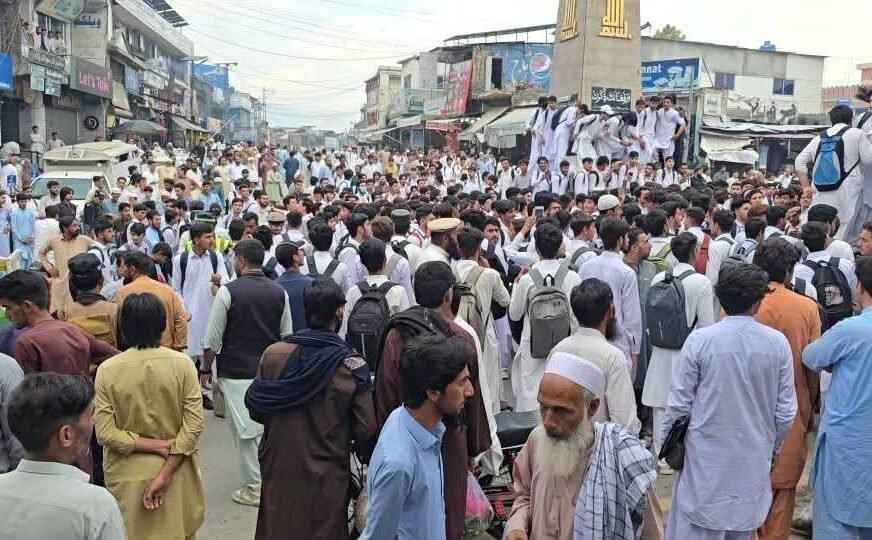
The crisis has intensified amid the ongoing heat wave, with people in districts including Charsadda, Mardan, Swabi, Kohat, Dera Ismail Khan, Karak and Dir reporting uninterrupted blackouts that have disrupted daily life, businesses, and access to water. In Peshawar alone, women and other consumers held demonstrations in multiple localities on Saturday, blocking main roads and demanding an end to what they called unbearable load shedding.
Protesters in Bakhshipul and surrounding areas said it had become impossible to spend even an hour without electricity in the extreme heat. Many complained that despite paying bills regularly, their areas were being penalized under the “high-loss feeder” policy. “We are not involved in electricity theft, yet we are deprived of power,” said one resident, questioning why honest consumers are being punished for losses elsewhere.
The situation has also led to severe water shortages after PESCO disconnected supply to tube-wells in Shaheen Muslim Town, Gulbahar and other localities. Residents warned that if the issue is not resolved, protests could escalate further.
Civil society groups and political leaders have condemned the practice as collective punishment, citing violations of NEPRA regulations that prohibit penalizing bill-paying consumers for theft or low recovery in other areas. The Pakhtunkhwa Civil Society Network called it “criminal negligence,” while local officials demanded immediate intervention from NEPRA and the federal government.
PESCO officials maintain that outages are announced and targeted at areas with high line losses and poor recovery, but residents say the blanket approach has left entire communities without power for most of the day.
With frustration mounting and temperatures rising, the standoff between consumers and the power utility shows little sign of easing, raising concerns of further unrest if relief is not provided soon.

Check latest article from this author !

Golden job opportunities in Austria for skilled Pakistani workers
October 11, 2026

Actress Meera deported from Canadian border
October 11, 2026