

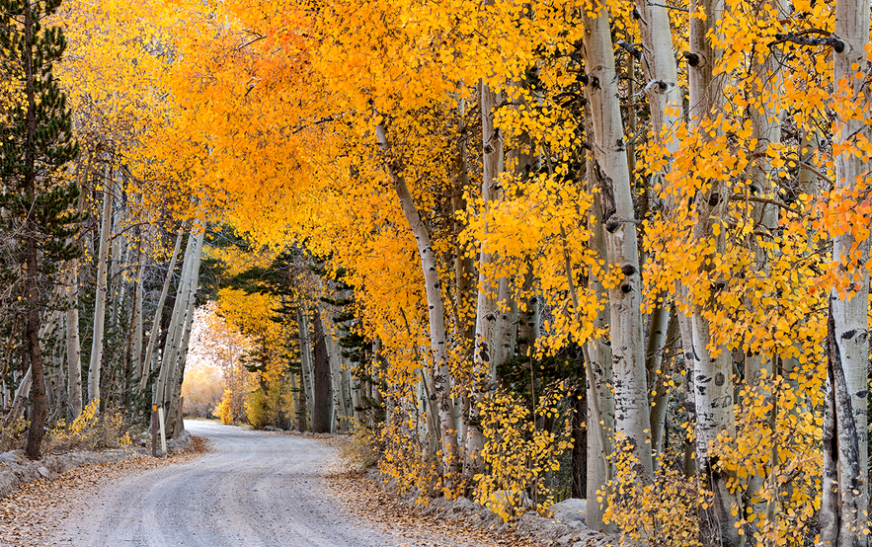
As autumn arrives, the green leaves on trees gradually turn into bright shades of yellow, red and orange. But what causes this seasonal transformation?
The answer lies in a natural chemical process that takes place inside leaves.
For most of the year, a chemical pigment called chlorophyll helps leaves convert sunlight into energy through photosynthesis. It is also responsible for their green colour.
However, as autumn approaches, temperatures begin to drop and daylight hours become shorter. As a result, trees receive less sunlight, causing chlorophyll production to decrease.
When chlorophyll levels fall, other pigments become more visible, giving leaves their familiar yellow, orange and red colours.
These vibrant autumn colours are usually more noticeable when days are sunny but the weather is cool and dry.
In areas where the weather remains warm or cloudy, the colours may not be as bright or dramatic.
As the seasons change, trees also form a protective layer between their leaves and branches while attempting to conserve as many nutrients as possible.
However, as winter approaches, maintaining leaves becomes difficult. Trees eventually separate them from their branches, causing the leaves to fall to the ground.
In simple terms, shorter days and reduced sunlight trigger the process that transforms green leaves into the colourful shades of autumn.
READ ALSO: KP and Islamabad weather updates