
TEHRAN: As the United States and Iran engage in key dialogues, one of the key demands from Tehran is the release of its frozen assets, which have been held abroad for years due to international sanctions. Although specific amounts are difficult to confirm, estimates by Iranian officials indicate that Iran’s frozen assets are valued at more than $100 billion.
Iran’s frozen assets are mainly comprised of revenues generated from oil exports, among other sources of income. As a result of several sanctions levied by other countries, including America, the money has remained frozen within financial institutions abroad. Sanctions on Iran have been ongoing since 1979 following the Iranian Revolution, as well as fears over Iran’s nuclear ambitions.
As per the available literature, some of the countries holding the majority of Iran’s frozen assets include China, India, and Iraq. For example, China holds more than $20 billion worth of assets belonging to Iran, whereas India holds about $7 billion. Similarly, the amount owned by Iraq stands at approximately $6 billion, followed by Qatar and Japan with $6 billion and $1.5 billion, respectively.
In the United States, Iranian assets totaling nearly $2 billion remain blocked, and European nations also hold frozen funds. Luxembourg, for example, has around $1.6 billion of Iran’s assets in its banks.
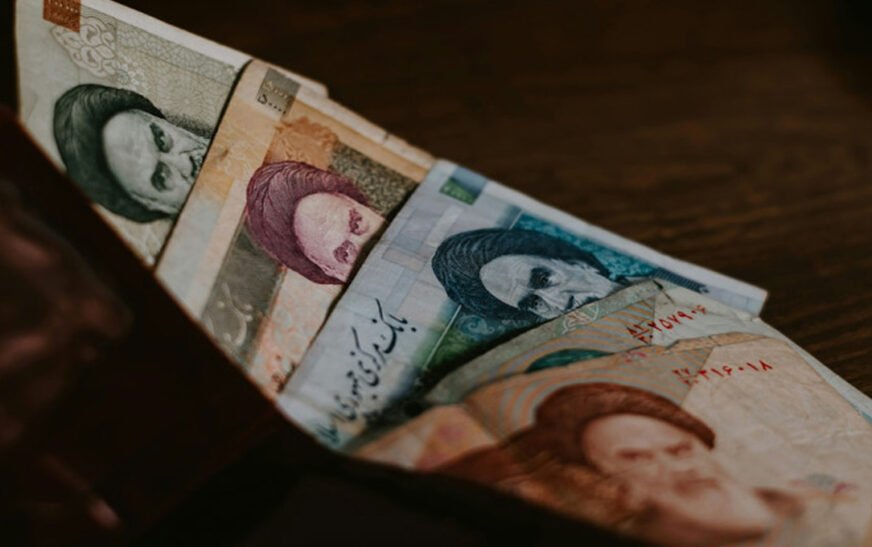
For Iran, the restoration of these assets holds significant importance. The country’s economy has undergone a lot of pressure owing to sanctions imposed against it, resulting in inflation and a fall in the exchange rate of the currency. Specialists say that the release of such frozen funds will be greatly beneficial for Iran as it will give relief to its economy and help it to develop infrastructure and progress from the aftereffects of the war.
It is expected that the issue will play a critical role in the upcoming negotiations between Iran and the US.
Trump: Iran ceasefire to end soon, promises better deal than Obama’s
Earlier, US President Donald Trump has said that the talks currently underway between the US and Iran are taking place without any external pressures at all. Trump promised that the deal that will emerge from these talks will be much better than the one signed by President Obama in 2015 regarding the Iranian nuclear program.
In his latest post on Truth Social, Trump reiterated his confidence that the US will reach an agreement with Iran within a short period of time, notwithstanding the two-week ceasefire period set by Trump, which ends in the evening of April 22, 2026. “Negotiations are not hurried or pressured. This is not true. These negotiations are not taking place under any pressure,” noted Trump.
Trump further noted that the negotiations which are underway were bound to produce better deals for the US and its allies when compared to previous ones, especially the one in 2015, which saw the signing of the Joint Comprehensive Plan of Action, involving countries such as America, the UK, France, China, Russia, and Germany.
President Trump has described the nuclear deal made back in 2015 as a failed attempt since it was overly generous towards the Iranians. The president explained that his deal would provide much better guarantees about Iranian actions regarding their nuclear weapons and would guarantee enhanced security across the entire region of the Middle East.
Nonetheless, the president did give out a warning regarding the possible future of the ceasefire if an agreement cannot be reached by its deadline. “If there is no deal by the time our two weeks of ceasefire are over, there will be no way to extend it anymore,” President Trump stated during his interview with Bloomberg.
During the same interview for Bloomberg, President Trump also confirmed that the US Navy was going to maintain its blockade on the Iranian navy regardless of anything happening during these two weeks. “As long as we do not reach a solid deal, the blockade will remain,” the president added.