
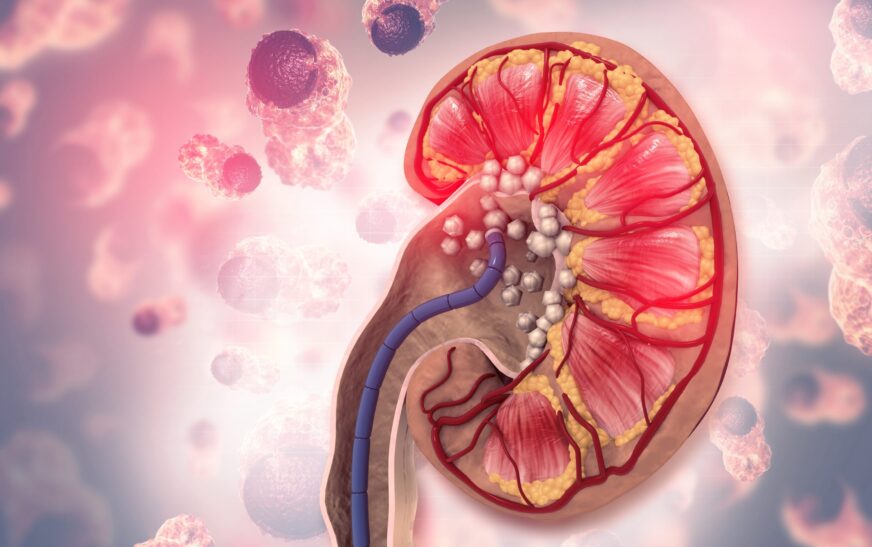
Kidney inflammation can result from several medical conditions and, in severe cases, may lead to kidney damage if left untreated. Early diagnosis and appropriate medical care are essential to prevent complications.
Kidney inflammation may develop when the tiny blood vessels inside the kidneys, known as glomeruli, become inflamed. This can occur following certain infections or because of an abnormal immune response.
Bacterial infections can also spread to the kidneys, often causing a condition known as a kidney infection. Such infections may develop when bacteria travel from the bladder to the kidneys.
Symptoms associated with kidney infections or inflammation may include fever, severe back or side pain, burning during urination, frequent urination and nausea or general discomfort.
The symptoms can vary depending on the underlying cause. Medical attention is particularly important if symptoms are accompanied by a high fever, severe pain, vomiting or reduced urine output.
Doctors may recommend urine tests to identify signs of infection and determine whether bacteria are present. A urine culture can help identify the bacteria responsible and guide the selection of appropriate antibiotics.
Blood tests and imaging may also be required, depending on the symptoms and suspected cause. Treatment varies according to the underlying condition and may involve antibiotics for bacterial infections or other medication for inflammatory kidney diseases.
However, this mixture has not been established as a medically proven treatment for kidney inflammation or infection. Baking soda adds sodium to the diet, which may be harmful for people with certain kidney conditions or high blood pressure.
Medical experts recommend seeking professional advice rather than relying on home remedies. Suspected kidney infections require timely assessment and appropriate treatment to reduce the risk of complications.
Read also: Shopping bag ban, traders propose alternative solution