
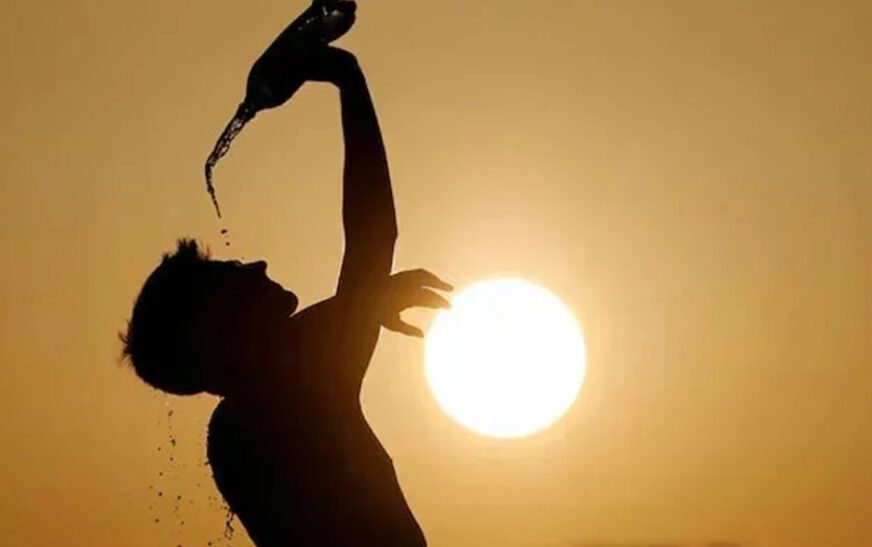
ISLAMABAD: Health experts have urged the public to take precautionary measures as soaring temperatures and high humidity increase the risk of heat-related illnesses, including heatstroke, warning that extreme heat can pose serious health threats if proper care is not taken.
According to health experts, the body’s natural cooling mechanism relies on sweating to regulate temperature.
However, the US National Institutes of Health (NIH) says that excessive heat and humidity can reduce the effectiveness of this process, increasing the risk of conditions such as heat cramps, heat edema and heatstroke, which can become life-threatening if left untreated.
Experts say the most important step to prevent heat-related illnesses is maintaining adequate hydration.
Dr Wendell Porter of the University of Florida advised people to drink water regularly, explaining that dehydration limits the body’s ability to cool itself through perspiration.
They also recommend taking cool showers or baths to lower body temperature and placing cold compresses or ice packs on the neck and wrists, where blood vessels are close to the skin, to provide quick relief.
To keep homes cooler, experts suggest opening windows during the early morning to allow fresh air in and closing them, along with curtains or blinds, after sunrise to block heat.
Using fans to push hot air outside and operating kitchen and bathroom exhaust fans can also help reduce indoor temperatures.
For better sleep during hot weather, experts recommend using lightweight cotton bedding and breathable clothing.
If available, sleeping in a basement or the coolest part of the house can provide additional comfort. They also advise keeping the doors of unused rooms closed to concentrate cool air in occupied areas.
The report further recommends replacing traditional light bulbs with energy-efficient LED bulbs, which generate less heat and consume less electricity.
While cold foods such as ice cream may offer temporary relief, experts caution against consuming excessive amounts of sugary foods and drinks, as they may contribute to dehydration and discomfort in hot weather.
Health professionals have urged people to avoid unnecessary outdoor activities during peak daytime temperatures, stay well hydrated and follow heat-safety measures to reduce the risk of heat-related medical emergencies.
Read also: In Punjab: Who Will Face Yearly Health Screening?