

ISLAMABAD: The government is aiming to impose taxes on imported electric vehicles (EVs), thereby easing the consumption of the nearly $9 billion annually incurred on vehicle imports. On Monday, the Senate Standing Committee on Industry and Production came together for a meeting, chaired by Senator Khalida Atique, to deliberate on the proposed measures.
The meeting was attended by Senator Danish Kumar, Senator Syed Masroor Hassan, officials from the Ministry of Industry and Production, and representatives from the Federal Board of Revenue (FBR). The officials revealed during the meeting that, while new taxes are being considered for imported electric vehicles, domestic ones will be subject to very low or no taxes at all to encourage the industry.
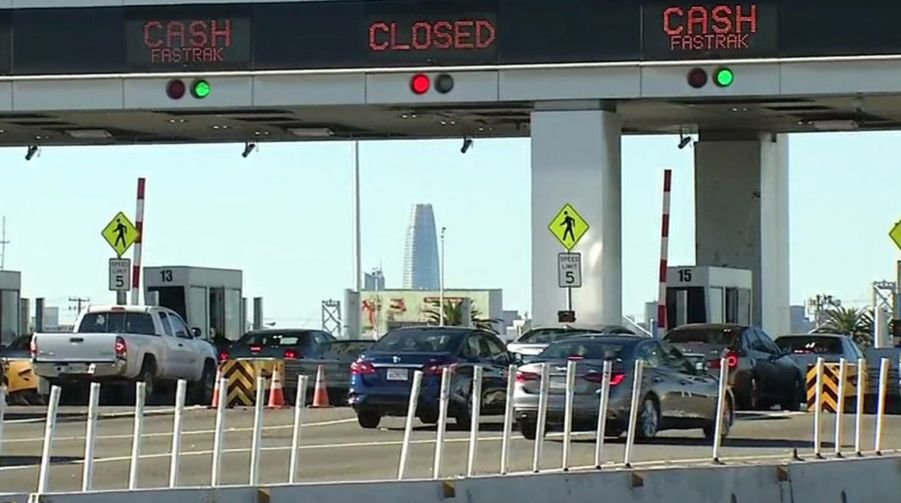
Moreover, import duties have been imposed on electric vehicle parts that are now being manufactured locally. The Ministry of Industry and Production has instructed provincial governments to lower the registration charges for electric vehicles, unify the number plates throughout the country, and offer exemptions on toll taxes for electric vehicles.
The current policy allowing the production of electric motorcycles, rickshaws, and other vehicles in the country was explained in detail. Up to now, 17 licenses for three-wheeled vehicles and 77 for two-wheeled vehicles have been issued in total.
The government targets that 30% of the entire vehicle fleet of the country will consist of electric ones by 2030 along with a plan to give 2.2 million electric vehicles as a subsidy under the scheme. Presently, Pakistan has about 20 million vehicles and more than 20 million motorcycles. Most probably, this year, the public will receive about 116,000 motorcycles and 3,170 electric rickshaws.
Over the next five years, the government intends to impose a carbon tax of 120 billion Pakistani rupees, and the whole amount will go to the subsidization of electric vehicles.
The Board of Investment is, meanwhile, preparing a one-stop shop for the convenience of the investors and has already revoked the licenses of manufacturers that have not been able to export.
The New Energy Vehicles (NEV) Policy 2025-30 was also a topic for discussion at the meeting. The targets of the policy are to minimize vehicle emissions, upgrade air quality, and to utilize the surplus electricity production in a more reasonable way while cutting oil imports. Government joins hands in all the above-mentioned steps by focusing on the establishment of a local NEV industry, technology transfer, eco-friendly job opportunities, and coordination between the federal and provincial governments.
A major hurdle to the adoption of electric vehicles in Pakistan is their unaffordability; the government is going to solve it by gradually equalizing their prices with those of traditional combustion vehicles.
ALSO READ: Islamabad to bar entry of vehicles without E-Tags from January 1