

WASHINGTON — In a major breakthrough for cognitive health research, a new clinical trial suggests that adding a simple, low-cost staple to your daily diet could play a crucial role in safeguarding brain health and memory as you age.
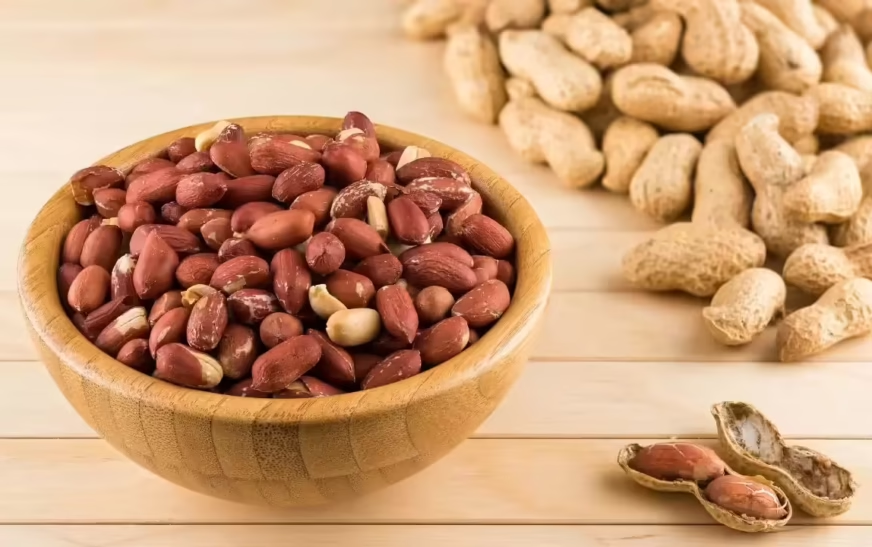
According to a study conducted by researchers and published in Food, consuming two servings approximately 60 grams of unsalted, skin-roasted peanuts daily significantly improves insulin responsiveness in vital brain regions associated with memory.
Restoring Vital Signals in the Brain
As the human body ages, insulin sensitivity in the central nervous system often declines—a breakdown closely linked to cognitive impairment and neurodegenerative conditions such as Alzheimer’s disease.
During the 16-week randomized crossover trial involving older adults, participants who consumed daily portions of skin-roasted peanuts demonstrated marked improvements in regional brain vascular function and targeted insulin responsiveness.
”Peanuts are rich in L-arginine, a key precursor to nitric oxide, which plays an essential role in regulating cerebral blood flow and facilitating memory performance,” noted researchers involved in the study.
L-Arginine Promotes nitric oxide synthesis, which helps dilate blood vessels and increase cerebral blood flow.
Skin-roasted varieties retain natural antioxidants and polyphenols that combat vascular inflammation.
Support systemic metabolic health and facilitate cellular signaling throughout the nervous system.
This latest finding builds upon earlier clinical data showing that regular peanut consumption can boost overall cerebral blood flow by up to 3.6% and enhance verbal memory scores.
For millions of aging adults seeking accessible preventative healthcare measures, this simple dietary addition offers a promising, science-backed approach to preserving long-term cognitive function.
Read also:Amazing benefits of peanuts, boost heart health, physical strength