
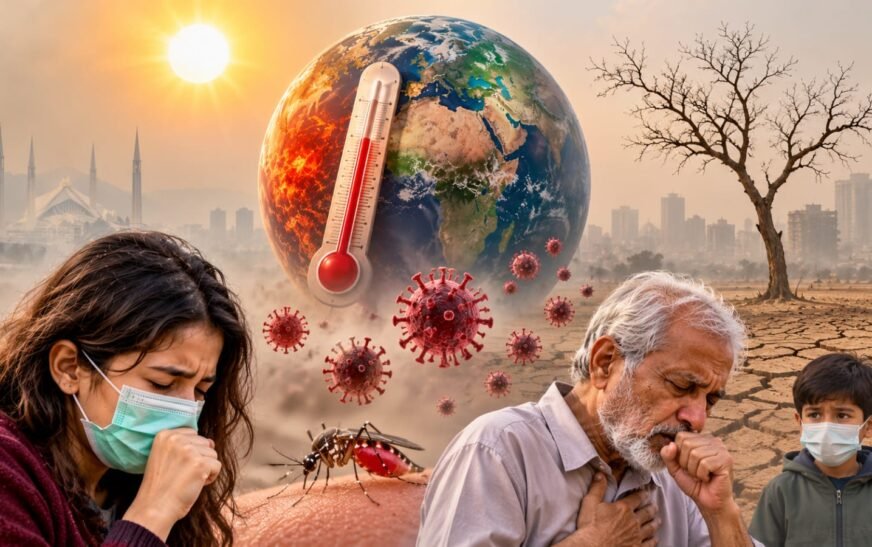
Climate change is increasingly affecting human health, with smog, air pollution and unusual fluctuations in temperature raising concerns over respiratory illnesses, heart conditions, allergies and other seasonal diseases.
The impact of climate change is no longer limited to rising temperatures, changing rainfall patterns and environmental degradation.
It is also emerging as a major public health challenge, affecting people’s daily lives and increasing the risks of various health complications.
According to medical expert changing weather patterns, deteriorating air quality and irregular rainfall are having adverse effects on human health and the body’s immune system.
According to the experts the frequent changes in weather conditions, combined with increasing environmental pollution, were making people more vulnerable to different illnesses.
These changes can particularly affect individuals with existing health conditions, children, older people and those with weaker immune systems.
In Pakistan, worsening smog and air pollution have created serious difficulties for people suffering from respiratory and cardiovascular diseases.
Exposure to polluted air can aggravate breathing problems, increase respiratory irritation and place additional pressure on the heart, particularly among patients already dealing with chronic health conditions.
Meanwhile, sudden fluctuations in temperature are contributing to an increase in seasonal health problems, including colds, flu-like symptoms, allergies and other respiratory infections.
Experts warn that the combined effects of environmental pollution and unpredictable weather conditions require greater public awareness and preventive measures to protect communities from emerging health risks.
Medical expert stressed the importance of adopting precautionary measures according to changing weather conditions to minimise the impact of climate-related health problems.
Experts advised citizens to take steps to protect themselves from air pollution, maintain proper hygiene and follow basic health precautions.
Avoiding unnecessary exposure to polluted environments, maintaining cleanliness and taking appropriate protective measures during periods of extreme weather can help reduce the risk of illness.
People suffering from respiratory and heart-related conditions are also advised to take extra precautions during periods of severe smog and poor air quality.
Health experts emphasise that public awareness and timely preventive action are essential to reducing the health risks associated with climate change.
As weather patterns continue to become increasingly unpredictable, protecting human health will require greater attention to environmental conditions, air quality and public health preparedness.
Climate change is therefore not just an environmental concern but an issue that demands attention from health authorities, policymakers and communities alike.
READ ALSO: NIH Issues Congo Fever Warning Ahead of Eid-ul-Adha