
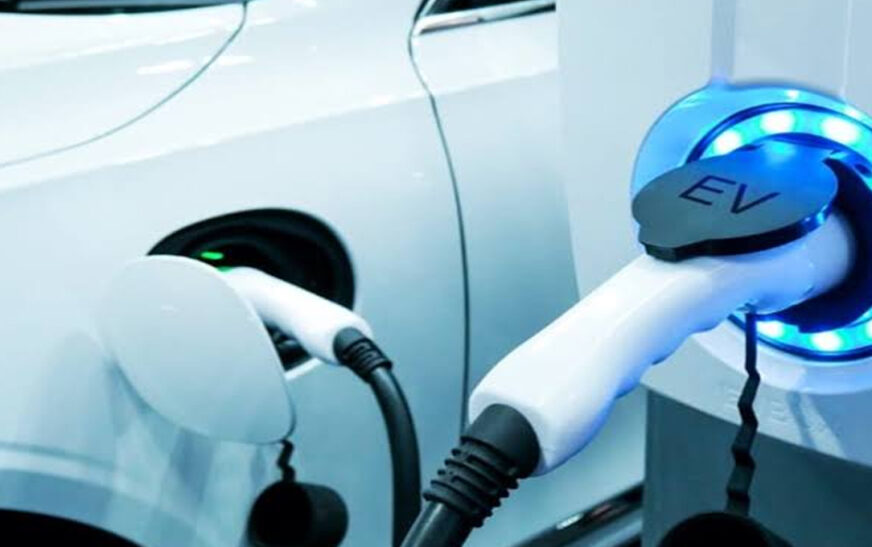
ISLAMABAD: Prime Minister Shehbaz Sharif has approved a new six-year automotive policy that proposes significant reductions in import duties on electric vehicles (EVs), alongside new levies on larger-engine vehicles.
According to the policy document, the government has proposed reducing customs duty on electric vehicles priced up to $75,000 from 50% to 25%. The duty is planned to be reduced further in phases to 15% by the fiscal year 2030-31.
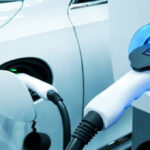
The proposed policy also aims to encourage the adoption of electric public transport by reducing customs duty on electric buses from 25% to just 1%.
However, vehicles with larger engines will face new automotive development levies under the proposed framework.
Reduced Duties on Electric Vehicles
The proposed changes cover several categories of vehicles, including electric buses, trucks, dumpers, plug-in hybrids and range-extended electric vehicles.
According to the document, the government has proposed a 1% sales tax on electric trucks and dumpers. A 6% sales tax has been proposed for range-extended vehicles, while plug-in hybrid electric vehicles would be subject to a 9% sales tax.
The proposals are intended to support the transition towards cleaner transportation while revising the tax structure for different vehicle categories.
New Levies Proposed for Larger-Engine Vehicles
The proposed policy introduces an automotive development levy based on engine capacity.
Under the proposed rates:
Vehicles with engine capacities below 1,000cc would face a zero-percent levy.
Vehicles with engine capacities between 1,000cc and 2,000cc would be subject to a 2% levy.
Vehicles with engine capacities exceeding 2,000cc would face a proposed 10% levy.
Trucks and buses would be subject to a proposed 2% levy.
The policy document also mentions a proposed 1% duty on vehicles priced between $15,000 and $75,000. The precise scope of this provision and its relationship with the other proposed customs duties would need to be clarified in the final policy.
Government Expects Over Rs232 Billion in Revenue
The new automotive policy is expected to generate more than Rs232 billion in revenue over five years, according to the document.
The proposed framework combines tax incentives for electric mobility with additional levies on certain conventional vehicles.
The measures are part of the government’s planned changes to Pakistan’s automotive sector. The final impact on vehicle prices, import costs and consumers will depend on the approved tax rates and implementation details.
The proposed duty and sales tax changes should be distinguished from existing rates until the relevant measures are formally notified and implemented.