

PESHAWAR: The Khyber Pakhtunkhwa (KP) government has been politicising the issue of displacement in Tirah Valley while concealing facts surrounding the ongoing security measures and migration of local residents.
Security sources state that targeted intelligence-based operations (IBOs) are being conducted across the country by law enforcement agencies, including police, intelligence services and the Pakistan Army. More than 75,000 IBOs were carried out nationwide last year, averaging over 200 operations per day. These operations proved highly effective, resulting in the elimination of 2,597 terrorists and their facilitators, the highest number recorded in a single calendar year. Authorities say LEAs have further enhanced their effectiveness through improved tactics, technology and operational procedures.
IBOs, according to officials, are designed to minimise civilian harm and population displacement, while also countering the narrative promoted by terrorist facilitators and their alleged political supporters.
Tirah Valley, which security officials say has been infiltrated by Kharji elements supported by a drug-based terror economy, has similarly been subjected to IBOs. In September, local residents, through a jirga, approached the military and KP government authorities seeking a solution to end the presence of these elements and the associated risks. Officials noted that Kharjis were living forcibly among the population, using civilians as human shields, deploying quadcopters and storing explosives and IEDs within residential areas, increasing the risk of collateral damage.
During consultations, three options were discussed:
(a) The jirga is engaging directly with the Kharjis and asking them to leave Tirah,
(b) continuation or intensification of IBOs by security forces, or
(c) voluntary relocation of the local population to allow security forces to operate freely.
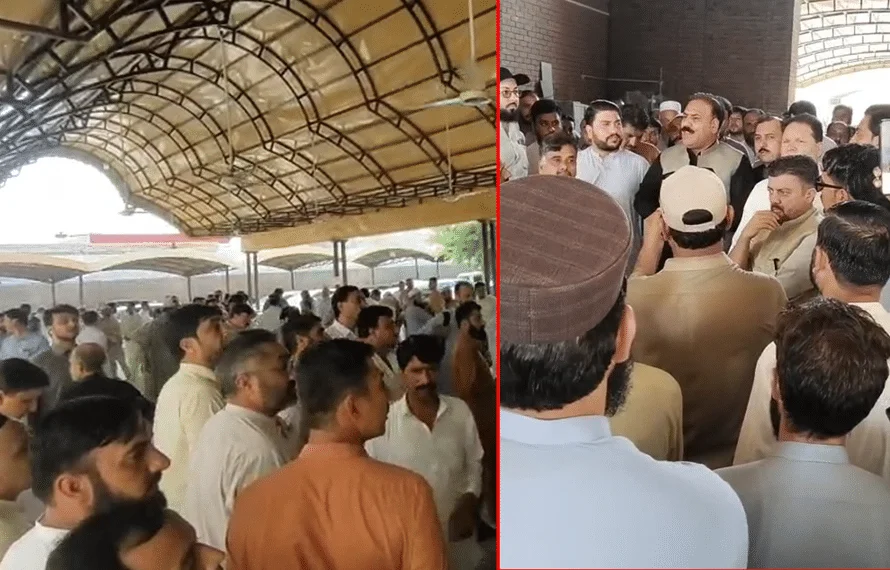
The jirga initially chose to engage with the Kharjis; however, officials said the militants rejected the proposal outright, disregarding cultural traditions and Pakhtunwali norms. Subsequently, the jirga itself proposed voluntary relocation, aligned with the traditional seasonal migration, to enable security forces to deal with the militants in detail during this period. Authorities stressed that at no point was any forced displacement carried out by security forces.
Security officials further rejected claims of a large-scale military operation in Tirah, citing several indicators. They noted that the number of army units in the area has remained unchanged for over a year, with no additional forces inducted, which would typically precede a major operation. They also pointed out that winter, with heavy snowfall, is not considered an operational season for such campaigns. Additionally, no military-run checkpoints or screening centres have been established to filter militants among the population — a standard practice during forced displacements. Any control points and registration centres currently in place, officials said, are being operated by the civil administration.
Officials questioned the narrative being promoted regarding an alleged operation, alleging that false claims were being pushed to complicate counterterrorism efforts, create confusion around the armed forces and facilitate militant elements. They also alleged that such narratives were being used to justify the misuse of funds intended for the welfare of the local population.