
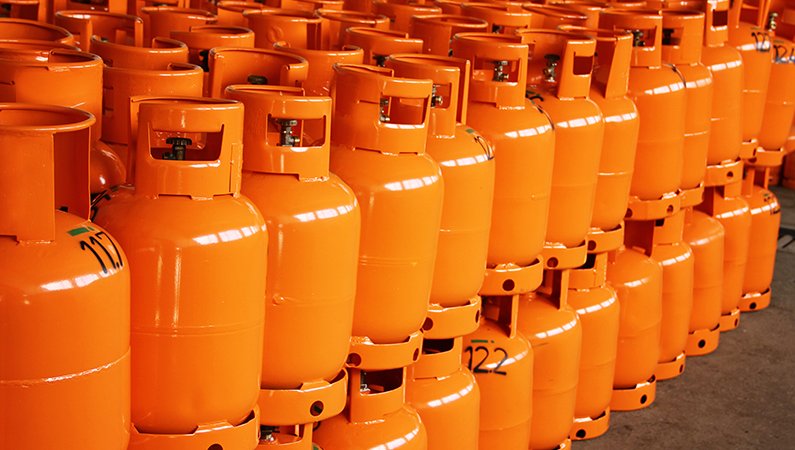
PESHAWAR: Pakistan is facing one of its worst LPG crises in recent years, and the public is now asking a simple question, is this a real shortage or an artificial price hike created through hoarding, profiteering and policy confusion. There are now two different LPG prices in the country, one is the price announced on paper by the regulator, and the other is the price actually being charged in the market. The gap between the two has become so wide that consumers feel they are being looted in the name of shortage.
The official price for November was increased only slightly by OGRA, because of a small rise in the international Saudi Aramco contract price. But in the open market, LPG is being sold at almost double and in some areas even more than double the official rate. In big cities like Karachi, Lahore and Peshawar, consumers are paying far above the notified price, while in remote areas of Khyber Pakhtunkhwa, Balochistan and northern areas, the situation is even worse, where a domestic cylinder is being sold at a price that a poor family cannot afford.
The crisis started after Pakistan closed its main border crossings with Iran in mid-October. A large part of Pakistan’s LPG imports used to come from Iran, and when the crossings were closed, supply suddenly dropped. Within days, prices started rising sharply. Later, trade was partly restored, but only for cargoes that were already in transit. At the same time, imports from other countries were also disrupted due to tension in the region, which further increased pressure on supply.
The government itself has now admitted that overcharging is taking place. The Petroleum Minister has said that some elements are selling LPG at a much higher price than the price justified by the international market. He has announced that state companies will import LPG, local LPG will be sold through transparent auction, storage will be audited to stop hoarding, and action will be taken against cartelisation. He has also said that extra revenue will be used for a price stabilisation fund and for protection of vulnerable consumers.
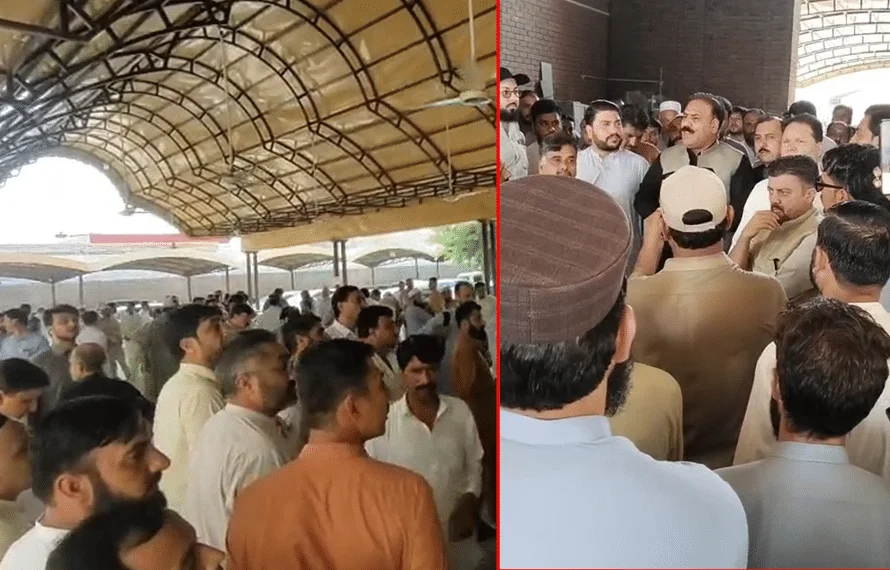
On the other side, LPG dealers and marketers say the real problem is not them but the government’s policy. Thousands of shops were closed in different cities in protest against alleged harassment by enforcement agencies, confiscation of filling equipment and heavy fines. The marketers association has also announced a nationwide strike from tomorrow against the new pricing formula, which they say will further increase prices, even though most LPG in Pakistan moves by road and a large part is produced locally. The Prime Minister has formed a ministerial committee to review the policy after the industry protest.
The most serious concern is the coming winter. Demand for LPG rises sharply in winter, because millions of households without Sui gas depend on LPG for cooking and heating, especially in Khyber Pakhtunkhwa, Gilgit-Baltistan, Balochistan and northern areas. If supply is not restored and the strike goes ahead, millions of families could be left without cooking and heating fuel in peak winter.
In short, the shortage started with the border closure, but the extraordinary price hike in the market cannot be explained by the official formula alone. The government itself calls it profiteering and hoarding. Until supply is restored, auctions start, and the official price is enforced on the ground, the public will continue to pay double, and the question will remain, are public being charged with an artificial LPG price hike.
Read also:LPG Prices Skyrocket to Rs700 per Kg in KP