
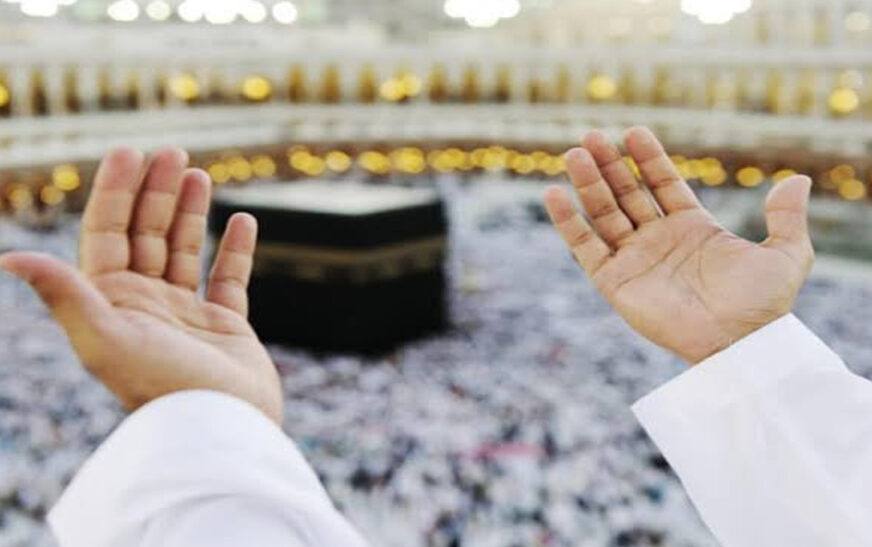
ISLAMABAD: Pakistan’s Ministry of Religious Affairs is preparing to introduce a Hajj Savings Plan to help prospective pilgrims gradually save for the pilgrimage amid rising Hajj expenses.
According to a ministry spokesperson, the Secretary of Religious Affairs has directed the relevant authorities to finalise the rules and regulations for the proposed scheme within two months.
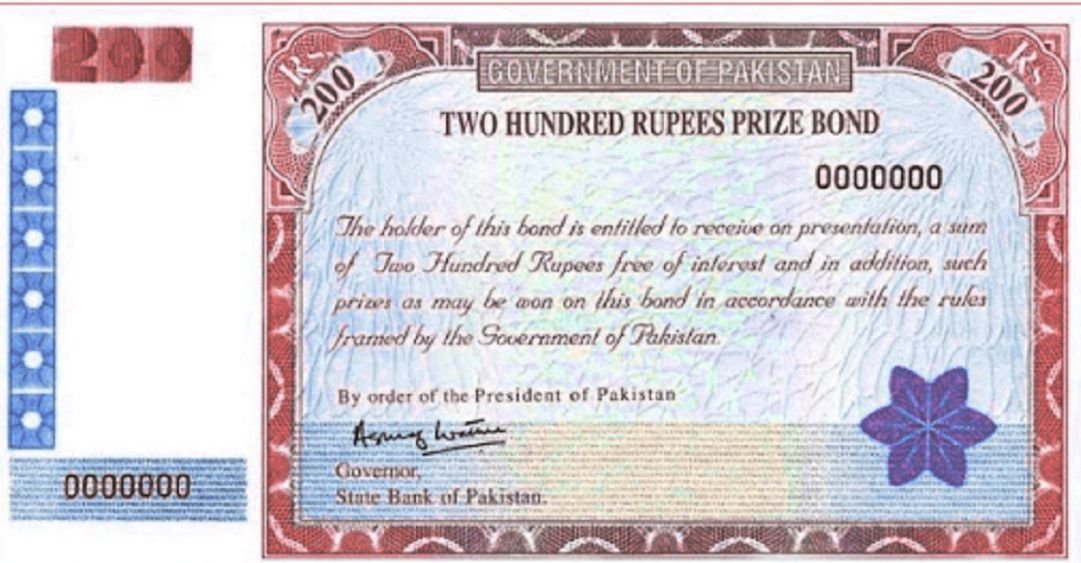
The proposed plan aims to make financial planning easier for prospective pilgrims by allowing them to deposit money on a monthly basis through digital channels. It is also expected to offer flexibility in choosing a savings period and transferring funds between family members.
The ministry is considering a provision that would allow participants to withdraw their deposited savings at any time without deductions, should they need the money. However, the final terms and conditions of this facility will be determined once the scheme’s rules have been formulated.
A consultative meeting chaired by the Secretary Religious Affairs reviewed the proposed plan and discussed mechanisms to help pilgrims accumulate the required funds gradually rather than bear the entire financial burden at once.
Savings schemes for Umrah and other religious travel
The ministry is also considering introducing similar savings schemes to cover expenses for Umrah and other religious pilgrimages. The initiative aims to give citizens an opportunity to plan and save for religious travel in advance.
Officials believe the proposed Hajj Savings Plan could help prospective pilgrims manage the financial impact of inflation and increasing pilgrimage costs by spreading payments over time.
The ministry said details regarding the scheme’s operational mechanism, deposit procedures, eligibility requirements and other conditions would be announced in due course.
As of October 9, the government has not announced the minimum monthly deposit, the final terms and conditions, or the launch date of the scheme.
Part of Pakistan’s Hajj Policy 2027–2030
The proposed savings plan is also included in Pakistan’s Hajj Policy 2027–2030, which was approved by the federal cabinet in July 2026.
The four-year policy envisages continuous registration and the introduction of a savings scheme in accordance with Islamic principles.