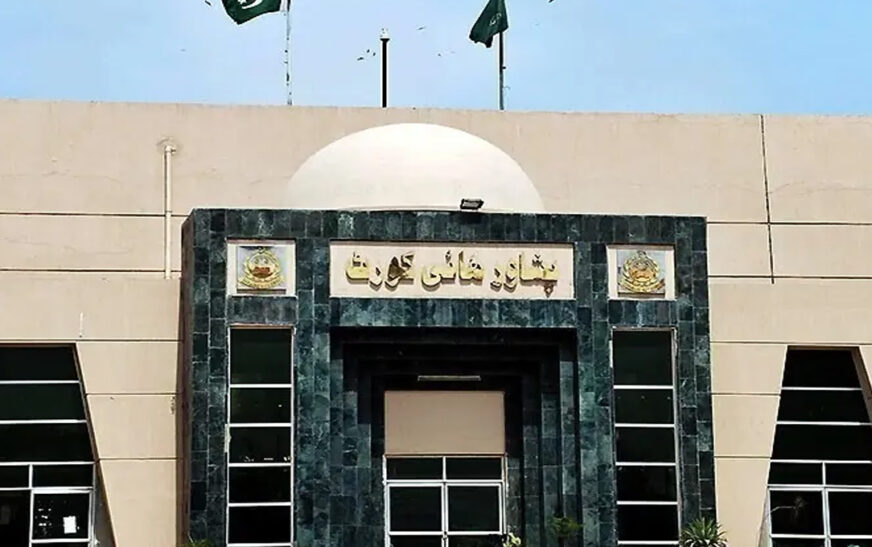

PESHAWAR: The Khyber Pakhtunkhwa (KP) government’s proposed Police Act 2026 introduces fundamental changes to the police’s administrative framework, policymaking, oversight, accountability, recruitments and the appointment system of high-ranking officers.
Under the proposed legislation, the role of the provincial government and the Chief Minister over the police force will increase significantly. This raises a crucial debate: is the police force being made more effective and accountable, or is its professional autonomy being subjugated to political rule? In a province severely affected by terrorism, such political interference could negatively impact police performance, command, morale, and counter-terrorism capabilities.
Under the proposed bill, the federal government will send three names for the Inspector General of Police (IGP) position to the provincial government, which will then select one.
This reverses the existing procedure where the province sent names to the center, giving the provincial government direct selection authority, a model historically unprecedented in Pakistan since independence.
Furthermore, the Chief Minister will head the Police Policy Board, bringing high-level police policymaking directly under the political administration.
The annual provincial police plan and immediate implementation of law and order directives will become subject to the board’s approval, raising questions about police independence and accountability without full operational authority.
The Chief Minister of Khyber Pakhtunkhwa is also proposed to receive direct authority over police postings from Grade 18 and above. Requiring the Chief Minister’s approval for district and regional police heads introduces political clearance into the field command, potentially disrupting internal command, administrative continuity, and merit.
Additionally, a 25 percent direct recruitment quota at the DSP level is proposed. Without a transparent and non-political mechanism, critics warn this could harm the service structure and force morale, eventually leading to politically connected personnel filling senior SP and SSP positions.
Changes are also proposed for the Dispute Resolution Councils (DRCs) and oversight bodies. Operating since 2015 and credited with resolving around 85,000 minor disputes to reduce court backlogs, placing DRC members under government appointment and goodwill threatens their neutrality and localized social harmony. Similarly, independent members of the Provincial Public Safety Commission and other oversight institutions will be nominated by the government. Appointing and removing oversight members through political authority risks undermining their independent watchdog role, turning police monitoring into a partisan tool.
Ultimately, the proposed law brings political influence across four critical levels: policy, postings, oversight, and accountability. As a terror-affected region, experimenting with police command and institutional autonomy carries severe risks. Fundamental questions remain regarding whether the police are truly being reformed for public accountability or if executive power is being overextended at the expense of professional policing, public safety, and the welfare of the province’s citizens.