
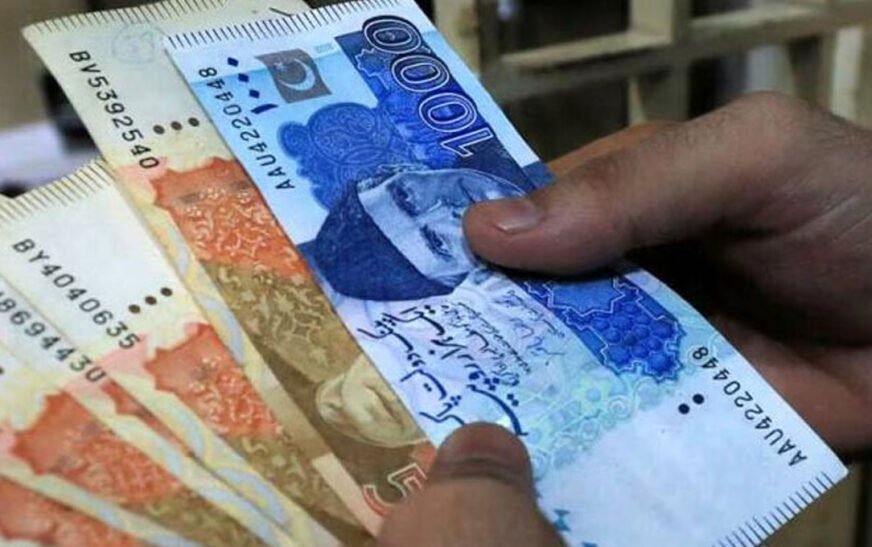
ISLAMABAD: The Pakistan Peoples Party (PPP) has formally demanded a 50 percent increase in the salaries and pensions of government employees in the upcoming federal budget. The party has also proposed raising the minimum monthly wage to Rs60,000 to provide relief to low-income and working-class citizens.
Sources said that the demands have been made before the approval of next year’s budget by the federal government to help the citizens face the soaring prices of goods and services. “In view of the present rate of inflation, an increase in salary and pensions has become inevitable,” the spokesperson of the PPP mentioned.
The party has strongly condemned any sort of taxation or increment in taxes related to petroleum products, saying that the burden would not only be unfair but will also create difficulties for the masses. Rather than resorting to conventional sources of raising money, the government should think about exploring unconventional means to enhance revenues for the country.
It is reported that the government till now has not agreed upon the party’s proposal regarding salary and pension hikes.
Govt to introduce new scheme for small traders in upcoming budget
Meanwhile, the FBR has prepared a new scheme for shopkeepers and small traders, the formal announcement of which is expected in the federal budget 2026-27.
According to sources, consultations are underway with various stakeholders on the proposed scheme, under which traders with an annual turnover of up to Rs 20 million will be eligible for the scheme, while those who have been in business for at least 3 years will also be able to join it.
Registration will be possible through the IRIS portal, mobile app, or tax facilitators, and participation in the scheme will be voluntary, but maintaining accurate financial records has been made mandatory.
It is proposed to introduce a relatively low and easy tax rate for eligible traders, while tax will be due only on income above the prescribed limit. People included in the scheme will generally not have to face an audit; however, an audit can be conducted in case of unusual financial activities or discrepancies in income.
Traders have been instructed to maintain simple records of sales, purchases, and expenses, while some small businesses are likely to get exemptions from POS and digital integration. Active taxpayers will get benefits like ATL, lower withholding tax, and improved financial standing, but penalties will be imposed for violating rules, concealing income, or not filing returns.
The scheme aims to promote a documented economy and increase voluntary tax payment, while bank transactions will have to be consistent with declared income and business activities.
The government had also introduced the “Trader-Friendly Scheme” in 2024, under which a fixed tax was levied on shopkeepers based on their electricity bills. The scheme could not achieve the desired success due to strong resistance from trade organizations and strikes.
According to FBR records, only 1.5 lakh shopkeepers were registered against the target of 3.5 lakh. According to economists, the size of Pakistan’s retail sector is 18-20 percent of the economy, but its share in taxes is less than 2 percent. In view of the pressure to increase revenue under the IMF program, the government has once again focused on the retail sector.