
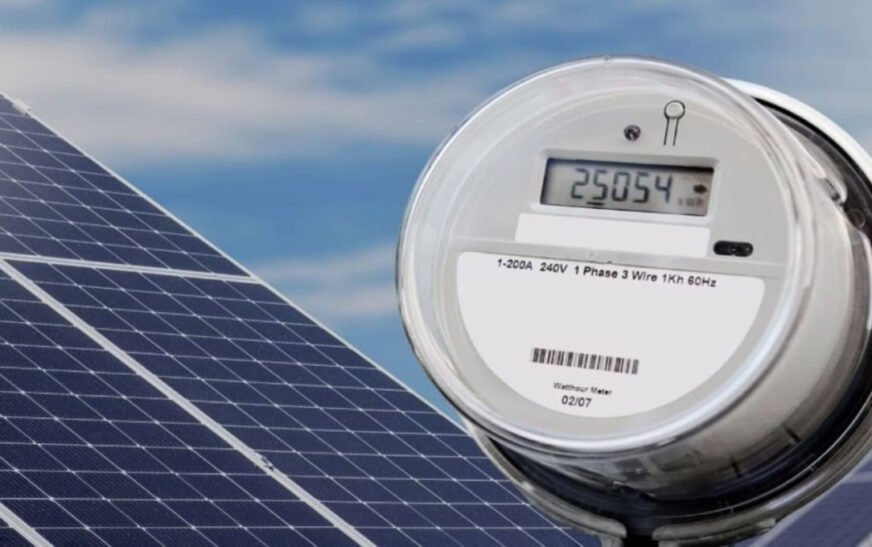
ISLAMABAD: The National Electric Power Regulatory Authority (NEPRA) has decided to maintain the licensing requirement for solar users under the net metering project.
According to sources, consumers installing solar systems ranging from 1 to 25 kilowatts will still be required to obtain a license from NEPRA. While the license fee for systems up to 25 kW has been waived, the authority to issue licenses will remain exclusively with NEPRA.
Sources explained that solar users seeking a net metering connection must submit their applications through NEPRA’s online portal. Only after providing the necessary license information will applicants be able to proceed. Applications without a generation license will not be accepted through the portal. NEPRA has already begun processing applications for users who have submitted their generation licenses.
The Power Division had requested the removal of the licensing requirement for systems up to 25 kW. However, while the fee has been waived, the licensing condition remains in place. NEPRA is expected to announce a final decision regarding the licensing requirement for systems up to 25 kW later this month.
Pakistan faces severe economic impact from climate change, urged to expand solar energy
On April 13, in a new report released by the Competition Commission of Pakistan (CCP), Pakistan’s vulnerability to the adverse effects of climate change has been brought into focus.
According to the report, if no action is taken soon, the economy of the country would be at high risk of suffering serious losses by 2050. The report is titled “Competition Study of Solar Energy Market in Pakistan.”
According to the CCP’s new report, the Pakistani economy would face many challenges due to the impacts of climate change. Some of these impacts include floods, water shortages and heat waves. All of these factors can cause severe problems for the development of the economy if the government fails to take any initiative to switch towards clean energy solutions, including solar energy.
The report notes that despite having sufficient sunlight, particularly in areas such as Baluchistan and Sindh, solar energy accounts for only 2% of total electricity production in Pakistan.
It is important to note that the Competition Commission report indicates that solar energy plays an essential role in overcoming the threats to the environment and is the most efficient strategy for ensuring the sustainability of economic growth in the region. The use of solar energy can lead to the reduction of energy costs, improved energy security, and the creation of a green economy, according to the report.
Additionally, the report mentions the enormous opportunities for implementing solar energy in agriculture, which will make it possible to improve agricultural efficiency and provide access to energy for those who live in remote rural areas. This way, it will be possible to ensure a more efficient provision of energy for the rural population.
Nevertheless, the report under consideration also identifies numerous problems in the implementation of solar energy in Pakistan. These problems are associated with the insufficient performance of the power transmission network, inconsistency of policy approaches, and financial barriers to the development of solar projects in the country. As a result, there might be a risk for Pakistan to lose an important opportunity to deal with climate change.
The report recommends that the Pakistani government focus on expanding renewable energy initiatives, such as solar energy because of the severe negative economic effects associated with climate change. The report further recommends that Pakistan needs to have a well-thought-out plan in order to have a successful energy revolution in the country through policy changes, infrastructure development, and local solar energy initiatives.
Considering the increasing dangers associated with climate change in Pakistan, there are experts who believe that the country cannot ignore the importance of renewable energy initiatives.