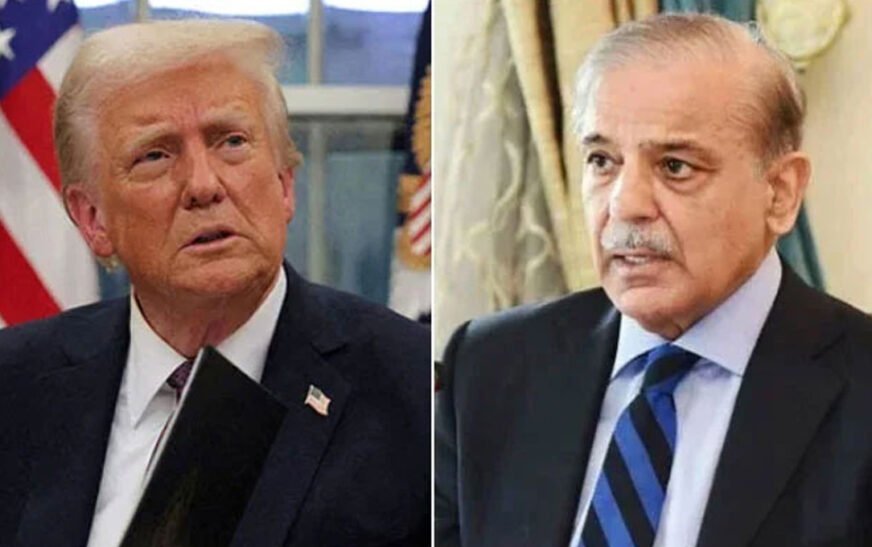

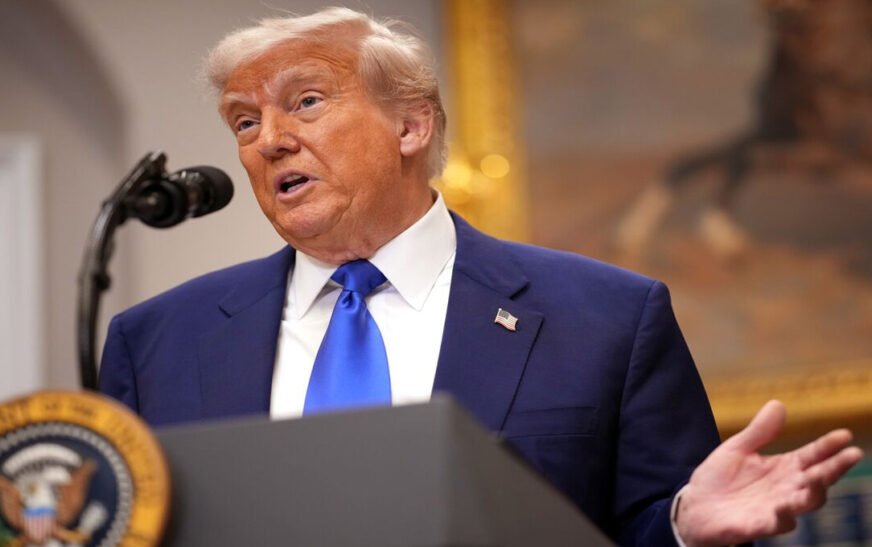
WASHINGTON: US President Donald Trump has confirmed the extension of the ceasefire between the United States and Iran, citing the ongoing political instability within Iran’s government. This decision follows a request from Pakistan’s Prime Minister Shehbaz Sharif and Field Marshal Asim Munir, who asked for a delay in any military action until Iran’s leadership is able to present a unified proposal for negotiations.
In a statement issued on social media platform Truth Social, President Trump emphasized that, despite maintaining a military blockade around Iran, the U.S. will hold off on further offensive actions while Tehran’s political representatives work toward a unified position. “I have directed our military to continue the blockade and remain ready for action, but in the meantime, we will extend the ceasefire until such time as Iran’s leaders can submit their proposal and conclude discussions,” said President Trump.
𝗗𝗼𝗻𝗮𝗹𝗱 𝗝. 𝗧𝗿𝘂𝗺𝗽 𝗧𝗿𝘂𝘁𝗵 𝗦𝗼𝗰𝗶𝗮𝗹 𝗣𝗼𝘀𝘁 𝟬𝟰:𝟬𝟵 𝗣𝗠 𝗘𝗦𝗧 𝟬𝟰.𝟮𝟭.𝟮𝟲
🚨STATEMENT OF PRESIDENT DONALD J. TRUMP:
Based on the fact that the Government of Iran is seriously fractured, not unexpectedly so and, upon the request of Field Marshal Asim…
— Commentary Donald J. Trump Posts From Truth Social (@TrumpDailyPosts) April 21, 2026
The announcement comes amid significant fractures within the Iranian government, with various factions unable to reach a consensus on how to proceed with negotiations. This internal division has raised concerns about the stability of Iran’s leadership, further complicating efforts to reach a lasting peace agreement.
President Trump made it clear that the US military is prepared to respond swiftly once a clear and unified proposal from Iran is presented. The extension of the ceasefire is seen as a diplomatic move to allow time for these internal discussions to unfold, but the president reiterated that this window of peace would not remain open indefinitely.
The involvement of Pakistan, with Prime Minister Shehbaz Sharif and Field Marshal Asim Munir urging the delay in military action, reflects Islamabad’s central role in regional diplomacy. Pakistan has long been a key player in facilitating dialogue between Tehran and Washington, and this latest development underscores its efforts to prevent further escalation in the region.
JD Vance delays Islamabad visit amid US-Iran diplomatic stalemate
Earlier, the much-anticipated visit of US Vice President J.D. Vance to Pakistan has been postponed, following Iran’s failure to respond to calls for dialogue, US media reported.
The visit had been planned in the context of talks over the second round of negotiations with Iran, US sources informed. The postponement follows as Iran’s two-week-long ceasefire with the US will end at 4:50 AM on Wednesday, April 22, Pakistan Standard Time.
According to US sources, Vance’s visit can happen anytime, according to how the situation shapes up. In the meantime, there seems to be no certainty of what course of action Iran or the US will take as their ceasefire ends in a couple of days.
President Trump’s Remarks on Extending Ceasefire with Iran
On Tuesday, the US president, Donald Trump, stated in an address that the US won’t be able to extend its ceasefire with Iran until a deal is signed.
Iran’s Dilemma Over Sending Delegation to Islamabad
On the other hand, Iran’s representatives have indicated that their country has not yet decided whether to send a delegation to Islamabad to negotiate with the United States. The spokesperson for the Iranian Foreign Ministry, Ismail Baqai, asserted that Iran would not take part in any negotiation unless there were grounds to believe that there could be significant breakthroughs.
Iran Condemns US Aggression Toward Iranian Ships
Another notable incident was that of Iran condemning the recent actions by the US against Iranian ships in the international seas. According to Baqai, such attacks on the ships of Iran were “an outright violation of international law, and amounted to maritime piracy and state terrorism.” In his opinion, such aggression only made things worse between the two countries in terms of building trust.
“Blasting at Iranian ships is nothing less than maritime piracy,” stated Baqai in an interview.