
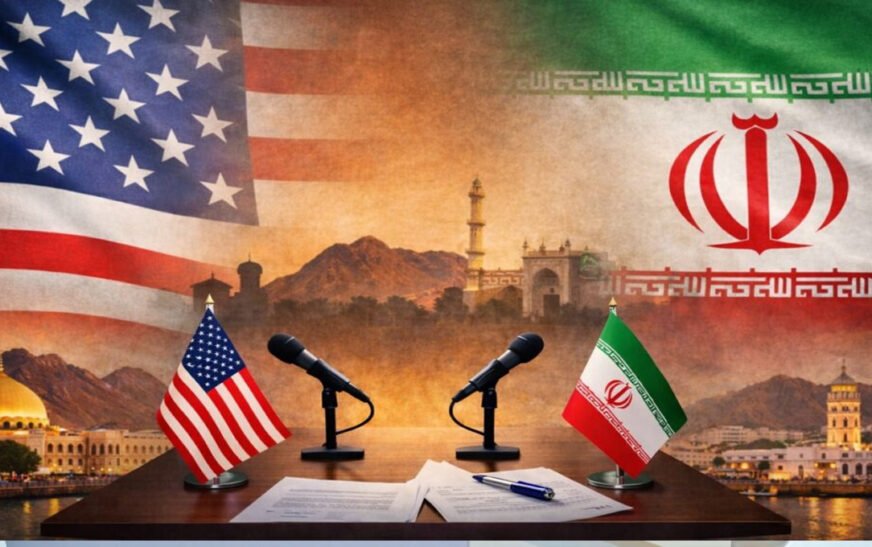
WASHINGTON: The clock is ticking as only eight days remain until the expiration of the ceasefire between the United States and Iran, raising concerns about the potential escalation of tensions in the region.
According to news coming from Washington, the current state of affairs leaves much to discuss; in particular, sources in close contact with the negotiating parties revealed that no one declared an end to the talks. Such an outcome could signal that the process of negotiation continues, despite all difficulties.
The core problem lies in mistrust between the two countries. The Iranian representatives, having already had some bad experience in their interaction with the U.S., are concerned about the real intentions of the Americans. For instance, during the previous few months, the Iranian side took part in two rounds of discussion with the American delegates, but was struck by the military immediately after these discussions were held.
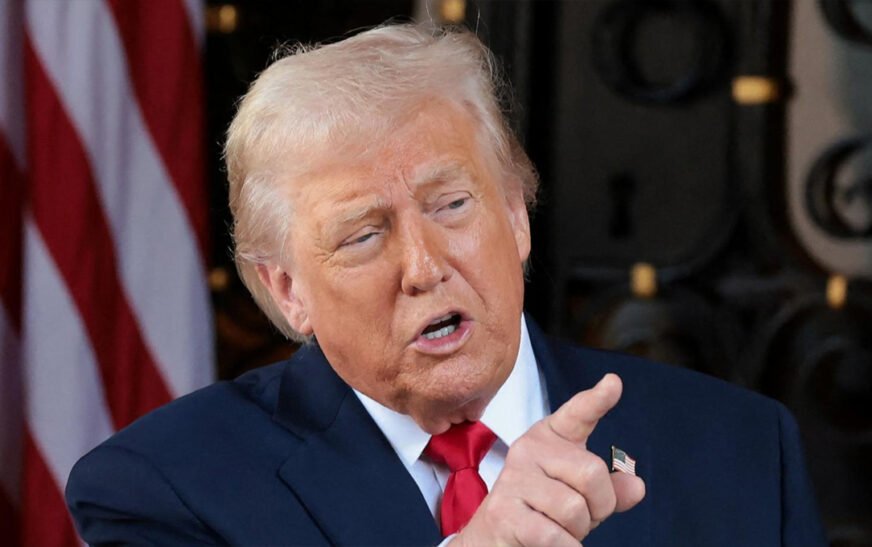
However, US President Donald Trump, known for his flexible approach to deadlines, has not entirely closed the door on the negotiations. Sources indicate that Trump might be open to a new agreement under which Iran would be prevented from acquiring nuclear weapons for a specified period. But for that to happen, Trump is expected to consider several crucial factors, particularly regarding the long-term stability of the Middle East and the broader implications of such a deal.
According to reports, Trump may be willing to enter into an agreement through which Iran will be prohibited from developing nuclear weapons within a specific timeframe. However, for this to happen, it is anticipated that the President of the United States will take into account certain essential factors relating to the stability of the region in the long run.
In addition, a report has shown that there are two fundamental considerations behind Trump’s strategy in regard to Iran, which include his willingness to refrain from getting involved in yet another long-standing war in the Middle East and his ambition to secure a better deal compared to the previous deal entered into by former President Barack Obama, which was highly criticized by Iran.
At the end of the day, both countries have reached an important point as far as their negotiations and the ceasefire are concerned.
JD Vance: US-Iran negotiations will take time amid ongoing mistrust
Earlier, US Vice President JD Vance admitted that mistrust between Washington and Tehran would take some time to dispel. “Forty-nine years of mistrust cannot be undone overnight,” said Vance, addressing a crowd during a speech held at the University of Georgia.
Discussing the current state of affairs in the US-Iran talks, the US vice president noted that despite all of the steps taken on both sides, a full-fledged agreement had not been achieved yet. At the same time, Vance admitted that the Iranian authorities are well aware of the intentions of the American side.
“They know that President Trump has tasked me to have these talks because he believes in a comprehensive agreement,” Vance said. “President Trump does not want a small deal – he wants a big deal with Iran.”
The US vice president noted that in addition to Iran’s military nuclear program, its active involvement in international terrorism should be tackled as well.
“We want to see an arrangement that would ensure that Iran doesn’t have nuclear weapons in its possession and it stops financing terrorist activities,” Vance further stated. “It is time to reach an agreement that would work out fine for both Iran and the international community.”
According to Vance, while some progress has been achieved, an agreement still hasn’t been reached. He noted that the deal which the US seeks would enable Iran’s citizens to become part of the global economy, thus leading to the normalization of relations between Iran and the US.
“As President Donald Trump sees it, the agreement must work not only for the sake of our country, but for the sake of the whole international community,” Vance explained. “Iranian people need to have the ability to reap the benefits of being engaged in the global economy, and once this state achieves a state of normalcy, we will start treating Iran like any other country around the world.”
Despite the challenges, Vance was cautiously optimistic regarding the current situation with the negotiations.
“At the moment I feel optimistic,” he noted. “The ceasefire holds and we are going forward with talks that hopefully will bring us peace.”
US-Iran peace talks: Iran confirms Pakistan as top venue for next round
Meanwhile, Iranian officials have confirmed their willingness to engage in a second round of negotiations with the United States, expressing that Pakistan would be their preferred venue for the talks.
Rumours about the upcoming round of US-Iran negotiations, expected to take place in Islamabad, have been circulating rapidly in recent days. In an interview with Geo News, Iranian authorities stated they are prepared for discussions, but the other side’s stance remains unclear.
“We are ready for the talks; however, we need confirmation from the other side. In case the second round of talks comes through, Islamabad will be our preferred venue for the talks,” the Iranian official said.
Reuters reports that the US delegation may visit Pakistan to continue the peace talks in Islamabad within the coming week. Furthermore, a representative of the Iranian embassy in Pakistan told Reuters that the second round of talks might occur by the end of this week or at the beginning of the following week.
It was previously reported by US news agencies that Pakistan had offered the venue for the second round of talks between the two nations. According to the report, the talks may take place by Thursday.